
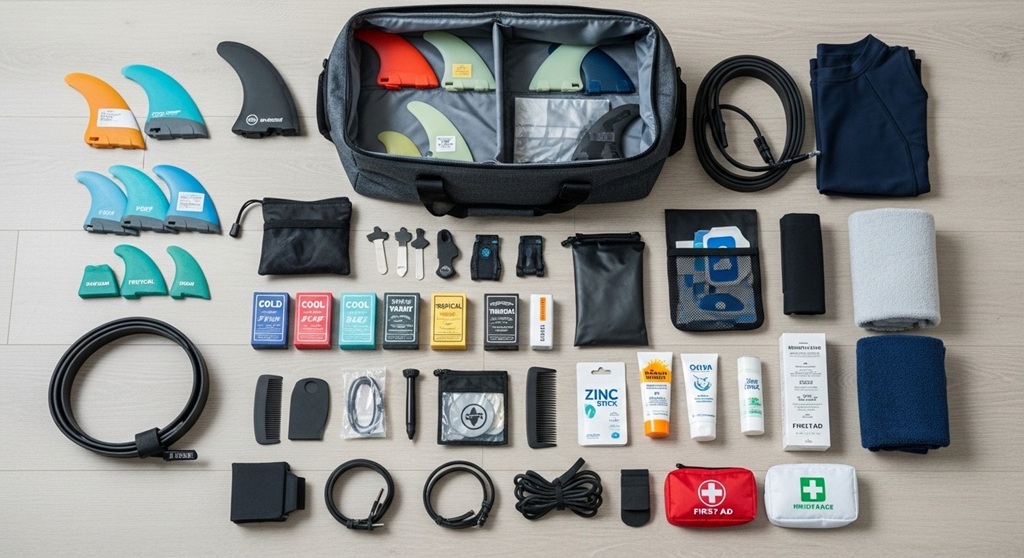
Surf trips are exciting. But poor packing can ruin them before you even reach the beach. A snapped fin, crushed leash, or damaged board can quickly turn a dream surf trip into a frustrating experience. Many surfers focus on flights, accommodation, and the destination waves—but forget that proper surf gear packing is what protects their investment and ensures smooth travel.
Thank you for reading this post, don't forget to subscribe!Surfboards and accessories are not built for rough baggage handling. Airlines often stack luggage, shift cargo, and apply pressure during transport. Without the right strategy, fragile equipment can suffer serious damage. According to a study by the International Air Transport Association (IATA), baggage handling incidents affect millions of bags annually, and sports equipment is among the most vulnerable categories.
This is why experienced surfers treat packing as part of the surf trip preparation process. A strong surfboard travel bag, organized accessories, and the right protection techniques can prevent breakage, reduce airline issues, and make transportation easier.
In this guide, you will learn how to pack surfboard accessories for surf trips using practical methods used by traveling surfers. We will cover essential gear organization, proven protection techniques, and travel-tested packing strategies to keep your surf travel gear safe from departure to arrival.
What Are Surfboard Accessories and Why Do They Need Special Packing?
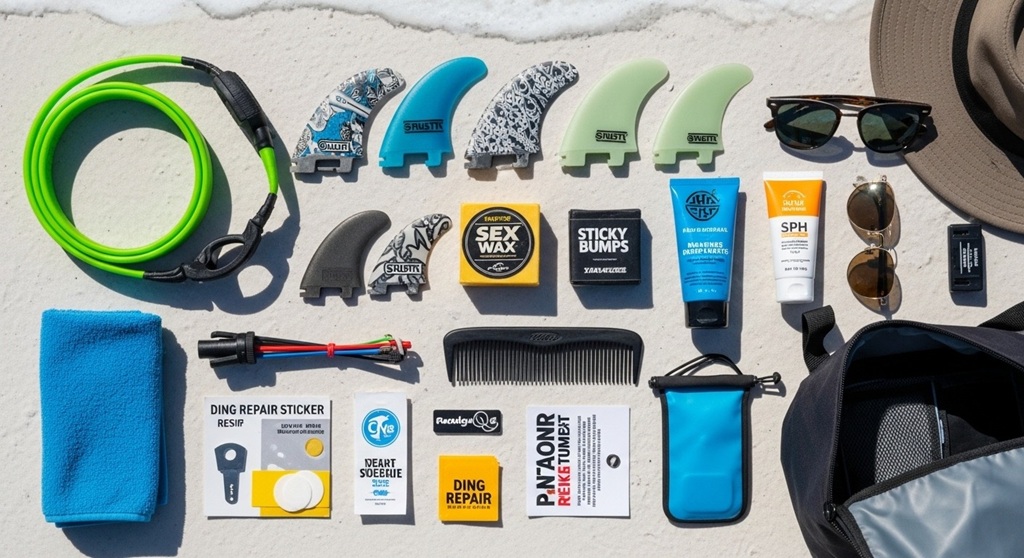
Surfboard accessories are the supporting tools that allow surfers to ride waves safely and effectively. These include fins, leashes, wax, traction pads, repair kits, board socks, and fin keys. While they may appear small compared to the board itself, they are essential pieces of surf travel gear.
Each accessory plays a functional role:
- Fins provide direction and stability.
- Leashes prevent board loss in strong waves.
- Wax or traction pads improve grip.
- Repair kits help fix dings during travel.
However, these items are also vulnerable during travel. Fins can snap. Wax can melt. Leashes can tangle or stretch. Repair tools may puncture bags if stored incorrectly.
This is why surf equipment protection must include accessory organization, not just board padding.
Professional surf travelers recommend separating accessories into protective compartments. Many modern surfboard travel bags include dedicated fin pockets and padded storage sections for this purpose.
By organizing accessories correctly, surfers reduce damage risk and speed up packing and unpacking at airports and hotels.
Why Is a Surfboard Travel Bag Essential for Surf Trips?
A surfboard travel bag protects boards and accessories from impact, pressure, and scratches during transport.
Airlines do not handle surfboards delicately. Bags are stacked, moved across conveyor systems, and stored alongside heavy luggage. Without a travel bag designed for surf equipment, damage becomes highly likely.
A high-quality surfboard travel bag provides several protective benefits:
- Thick padding to absorb impact
- Heat-resistant lining to prevent wax melting
- Separate compartments for accessories
- Reinforced nose and tail protection
- Durable zippers and compression straps
Most surf travelers choose bags with 10–12 mm padding because they provide stronger shock absorption during flights.
Research from surf travel forums and airline baggage reports indicates that boards packed in padded travel bags experience significantly fewer damage incidents than boards wrapped only in towels or clothing.
For surfers who travel frequently, investing in a reliable surfboard bag becomes a cost-saving decision. A damaged board often costs hundreds of dollars to repair or replace.
What Surf Travel Gear Should You Pack With Your Board?
Surf travel gear includes all equipment needed to surf comfortably and safely while traveling.
Before packing your bag, create a checklist to avoid missing essential items.
Essential Surf Trip Gear Checklist
| Category | Items |
|---|---|
| Surfboard Equipment | Surfboard, fins, fin key, board sock |
| Safety Gear | Leash, backup leash, ding repair kit |
| Grip Tools | Surf wax, traction pad |
| Protection Items | Bubble wrap, towels, foam padding |
| Maintenance Tools | Screwdriver, spare fin screws |
Many experienced surfers also pack spare accessories. Losing a fin screw or leash plug in a remote surf location can end your session early.
Carrying small replacement parts ensures you stay prepared.
How Should You Pack Surfboard Fins for Travel?
The safest way to pack fins is to remove them from the board and store them in padded fin pouches.
Leaving fins attached increases the risk of damage during transport. Pressure inside baggage compartments can snap them or damage the fin box.
Follow these steps:
- Remove fins using a fin key.
- Wrap each fin individually using foam or cloth.
- Store fins in padded fin pockets.
- Place the pouch inside the center of your bag.
This placement reduces pressure from luggage stacking.
Professional surf coaches often recommend carrying high-performance fins in carry-on luggage because they are small and expensive.
How Do You Pack Surfboard Leashes and Cords?
Leashes should be coiled loosely and stored in separate compartments to prevent tangling and stretching.
Improper packing can weaken the leash cord. Tight coils or pressure from heavy gear may create stress points.
To pack leashes correctly:
- Rinse and dry the leash before packing
- Coil it in wide loops
- Secure using the Velcro strap
- Store it inside accessory pockets
Some surfers also wrap leashes around board rails inside the bag. This provides extra cushioning while protecting rails from pressure.
What Is the Best Way to Pack Surf Wax and Traction Pads?
Surf wax should be sealed inside plastic bags to prevent melting and mess during travel.
High temperatures inside aircraft cargo holds or car trunks can soften wax.
To protect your gear:
- Wrap wax blocks in plastic wrap
- Place them in sealed zip bags
- Store them inside clothing layers
Traction pads should remain flat. Avoid bending them inside luggage.
If installing pads at your destination, keep adhesive surfaces covered until use.
How Do You Protect Surfboards Inside a Travel Bag?
Surfboards should be wrapped using layered padding to prevent pressure damage.
The goal is to create shock absorption inside the bag.
Most surfers use a combination of materials:
- Bubble wrap around rails
- Towels along board edges
- Clothing between boards
- Foam blocks at nose and tail
These layers prevent movement inside the bag and absorb impact.
Many surf travel guides recommend removing the board leash and fins before packing. This reduces stress points during transportation.
How Do Experienced Surfers Organize Surf Equipment Protection?
Experienced surfers use layered packing systems to organize equipment efficiently.
The general structure inside a surfboard bag looks like this:
- Bottom layer: clothing or foam padding
- Middle layer: surfboard wrapped in protective materials
- Accessory layer: fins, wax, leash, repair tools
- Top layer: towels or wetsuits
This structure stabilizes gear while protecting delicate accessories.
Some travelers also label accessory pouches for quick access when arriving at a surf destination.
What Mistakes Should You Avoid When Packing Surf Gear?
Several common mistakes increase the risk of damage during surf travel.
Avoid these errors:
- Leaving fins attached to the board
- Overpacking the surfboard bag
- Storing sharp tools near board surfaces
- Skipping nose and tail padding
- Not labeling fragile luggage
Overpacking is particularly dangerous. Excess weight increases compression pressure on the board.
Keeping your surf travel gear organized reduces this risk and improves airline compliance.
What Does Real Surf Travel Experience Show?
Case studies from frequent surf travelers highlight the importance of protective packing.
In a documented surf travel survey published by a surf travel insurance provider, over 30% of traveling surfers reported board damage during airline transport.
However, those using padded surfboard travel bags and layered packing methods experienced far fewer incidents.
The most common damage areas were:
- Nose cracks
- Rail pressure dents
- Broken fins
These results confirm that surf equipment protection strategies significantly reduce travel-related damage.
Conclusion: How Can Smart Packing Protect Your Surf Trip?
A surf trip should focus on waves, adventure, and new surf breaks—not damaged equipment.
Proper packing ensures your surf travel gear arrives safely and ready for action. By using a quality surfboard travel bag, organizing accessories carefully, and applying layered protection techniques, surfers can prevent most travel-related equipment issues.
Small details matter. Removing fins, sealing wax, padding rails, and separating accessories may take a few extra minutes, but these steps protect valuable gear during long flights and road trips.
If you are planning your next surf adventure, treat packing as part of your surf preparation process.
Want smoother surf trips and safer equipment? Start building a reliable surf travel system today. Invest in protective gear, organize accessories smartly, and pack your board like experienced surf travelers do.
Your future surf sessions will thank you.
Frequently Asked Questions
How do you pack surfboard accessories for flights?
Remove fins, coil leashes loosely, seal wax in plastic bags, and store accessories in padded compartments inside a surfboard travel bag.
Should surfboard fins be removed before travel?
Yes. Removing fins reduces pressure damage and protects the fin box during airline transport.
What is the best surfboard travel bag?
The best surfboard travel bags include thick padding, reinforced nose protection, accessory compartments, and durable zippers designed for airline travel.
How do surfers protect surfboards on airplanes?
Surfers protect boards using padded travel bags, bubble wrap, towels, and clothing layers to absorb impact during transportation.
Can surf wax melt during travel?
Yes. High temperatures can soften surf wax. Store wax inside sealed plastic bags and keep it insulated with clothing.
What accessories should every surf traveler carry?
Essential accessories include fins, leash, wax, traction pads, fin key, spare screws, and a ding repair kit.
Read More Also: How to Pack Surfboard Accessories for Surf Trips
Find out: How to Buy Budget Camping Chairs Without Sacrificing Comfort