
Camping should be an enjoyable escape from daily life, not an endurance test for your back and legs. Many outdoor enthusiasts assume they need to spend a fortune on gear to enjoy comfort at the campsite. However, finding quality seating that fits your budget is entirely possible when you know what to look for.
Thank you for reading this post, don't forget to subscribe!The camping chair market offers thousands of options at every price point. Sorting through these choices can feel overwhelming, especially when you’re trying to balance cost with quality. The good news is that affordable outdoor chairs have improved dramatically in recent years, with manufacturers using better materials and smarter designs even in budget-friendly models.
This guide will help you navigate the world of budget camping chairs without settling for uncomfortable or flimsy options. You’ll learn which features truly matter, where you can save money, and which corners you should never cut. By the end, you’ll know exactly how to select seating that keeps both your body and your wallet happy.
Understanding What Makes a Camping Chair Comfortable
Comfort isn’t just about soft cushioning. Several factors work together to create a pleasant sitting experience during your outdoor adventures. Recognizing these elements helps you evaluate options more effectively.
Seat depth and width determine whether you’ll feel cramped or relaxed. Chairs with shallow seats force you to perch on the edge, creating leg fatigue. Seats that are too narrow squeeze your hips and thighs uncomfortably. Look for dimensions that match your body size and allow you to sit naturally.
Back support plays a crucial role in long-term comfort. A backrest should extend high enough to support your shoulders and neck, not just your lower back. The angle of the backrest matters too. Chairs that force you too upright feel stiff, while those that recline too much make it hard to eat or have conversations.
Armrests provide somewhere to rest your arms and make getting in and out of the chair much easier. The height and width of armrests affect usability. They should allow your shoulders to relax naturally without forcing them upward or requiring you to reach down.
Seat height influences comfort depending on your intended use. Higher seats make standing up easier, particularly for older campers or those with knee issues. Lower chairs feel more stable and casual but can be challenging to exit after sitting for extended periods.
Where Budget Chairs Often Cut Corners
Understanding common cost-cutting measures helps you spot potential problems before buying. Not all compromises affect comfort equally, so knowing which ones matter most guides your decisions.
Fabric quality varies significantly between price points. Cheaper materials may feel thin, tear more easily, or provide less breathability. However, many budget chairs now use decent polyester blends that perform adequately for casual camping. Check the denier rating if available, as higher numbers indicate more durable fabric.
Frame materials directly impact both weight and longevity. Budget chairs typically use basic steel or aluminum alloys rather than premium materials. While these frames work fine initially, they may rust, bend, or develop weak joints faster than expensive alternatives. Nevertheless, proper care extends their lifespan considerably.
Weight capacity often gets reduced in cheaper models. Always check the maximum weight rating and choose a chair rated well above your weight. This safety margin ensures the chair remains stable and comfortable while providing structural integrity over time.
Stitching and construction quality separate chairs that last from those that fail quickly. Double stitching at stress points, reinforced corners, and quality rivets indicate better construction. Examine these details carefully, as they’re often where cheap camping gear shows its true nature.
Padding and cushioning tend to be minimal or nonexistent in budget options. While thick padding seems desirable, proper fabric tension and ergonomic design can provide surprising comfort without extra cushioning. This is one area where you might not miss premium features as much as you’d expect.
Essential Features to Prioritize
When working with a limited budget, focus your spending on features that significantly impact your camping experience. Some additions provide real value, while others are nice to have but not essential.
Portability matters if you’ll carry your chair any distance. Lightweight designs and compact folding mechanisms make transport easier. However, extremely lightweight chairs often sacrifice stability and comfort. Find a balance that matches your typical camping style.
A carry bag or strap simplifies storage and transport. Many budget chairs include basic carrying solutions. Even simple bags protect the chair during transport and keep it clean between trips. This accessory adds minimal cost but considerable convenience.
Cup holders prove surprisingly useful at camp. They keep drinks secure and prevent spills in uneven terrain. Most budget chairs include at least one cup holder, making this feature easy to find without increasing costs.
Stability on uneven ground varies between designs. Wider leg spreads and larger foot pads prevent sinking into soft ground. Some chairs include adjustable legs, though this feature appears more often in higher-priced models. Test the chair’s stability if possible before purchasing.
Weather resistance extends the usable life of any outdoor furniture. Water-resistant fabrics and rust-resistant frames handle moisture better. While premium weather protection costs more, basic resistance to the elements should be standard even in budget options.
Different Types of Budget-Friendly Designs
Camping chairs come in various styles, each with distinct advantages and drawbacks. Understanding these differences helps you choose the right type for your needs.
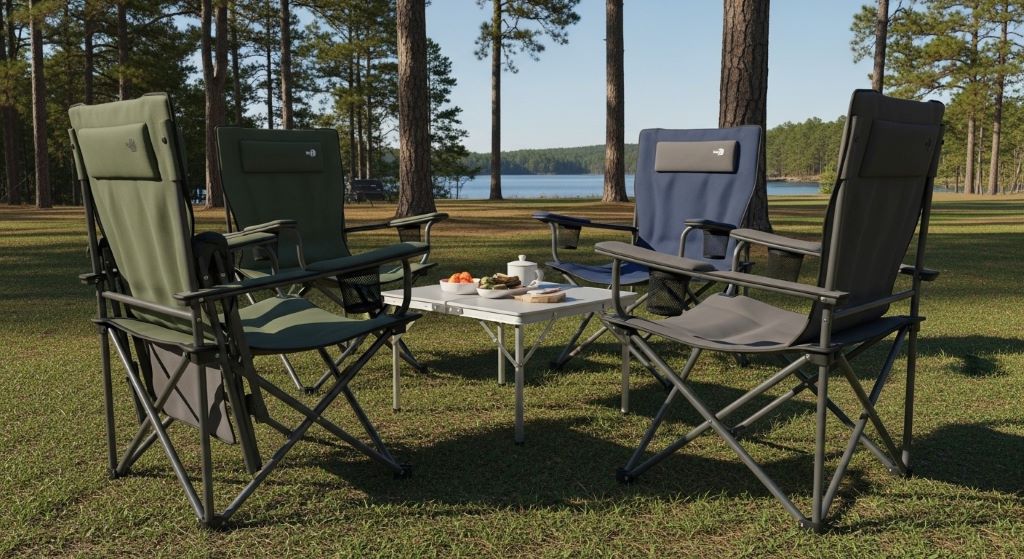
Traditional folding chairs offer the most familiar design. They typically provide good back support, armrests, and straightforward setup. These chairs fold relatively flat for storage and come in numerous sizes. They represent the most common budget option and offer good overall value.
Compact backpacking chairs prioritize weight and pack size over other considerations. They usually sit lower to the ground and may lack armrests or substantial back support. However, they’re perfect for hikers who need to carry everything. Surprisingly comfortable options exist even at budget prices.
Rocking chairs bring extra relaxation to your campsite. While traditionally more expensive, budget versions have entered the market. The rocking motion adds comfort during long evenings around the fire. However, they’re generally heavier and bulkier than standard chairs.
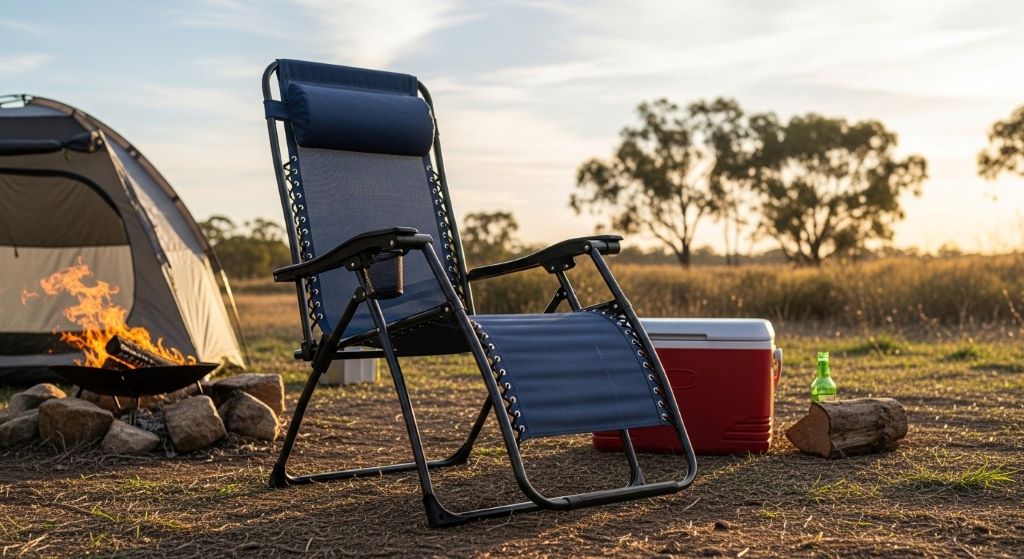
Zero-gravity or reclining styles allow you to lean back significantly or even lie nearly flat. Budget versions of these chairs have become more available recently. They excel for relaxation but may be less practical for eating or other activities requiring an upright position.
Director’s chairs feature a tall back, higher seat, and side table. They’re excellent for car camping where weight isn’t a concern. Budget models sacrifice some durability but maintain the basic comfort and functionality of this classic design.
Shopping Strategies for Maximum Value
Smart shopping tactics help you get the most chair for your money. A few strategic approaches can significantly improve the value you receive.
Off-season shopping yields better prices. Camping gear goes on sale in fall and winter when demand drops. Retailers clear inventory to make room for next season’s products. Buying during these periods often saves 30 to 50 percent compared to peak season prices.
Online versus in-store shopping each offers advantages. Online retailers often have lower prices and wider selections. However, you can’t physically test the chair before buying. Store shopping lets you sit in chairs and assess comfort but typically costs more. Consider ordering online after testing similar models in stores.
Store brands and lesser-known manufacturers often provide excellent value. Major sporting goods stores offer house brands that match name-brand quality at lower prices. Additionally, newer companies trying to establish themselves frequently offer competitive products at attractive prices.
Package deals sometimes provide savings when buying multiple chairs. If you need several chairs for family camping, look for multi-packs. The per-chair cost often drops significantly. Just ensure you’re not buying extras you don’t need simply to get a discount.
Customer reviews reveal real-world performance that marketing materials hide. Read reviews carefully, paying attention to comments about durability, actual comfort, and whether the chair meets expectations. Look for patterns in feedback rather than focusing on individual extreme opinions.
Testing and Evaluating Before Purchase
When possible, physically evaluate chairs before committing. If you can only shop online, knowing what to look for in product descriptions and specifications helps you make informed choices.
Sit in the chair naturally as you would while camping. Don’t just perch on the edge. Lean back, put your arms on the armrests, and spend a few minutes actually sitting. Notice any pressure points, awkward angles, or uncomfortable positions. If the chair feels wrong in the store, it won’t improve at the campsite.
Check the folding and unfolding mechanism. It should operate smoothly without pinching fingers or requiring excessive force. Difficult setup becomes frustrating when you’re tired after a long day outdoors. Simple, intuitive mechanisms work best.
Examine joint construction and connection points. These areas experience the most stress and fail first on poorly made chairs. Look for secure rivets, reinforced stitching, and solid welds. Wiggle the chair while sitting to assess stability and identify any concerning movement or noise.
Inspect fabric attachment and tension. The fabric should be taut when the chair is set up, without excessive sagging or pooling. Check how the fabric attaches to the frame. Secure attachments at multiple points distribute stress better than single-point connections.
Consider the packed size and weight if relevant to your camping style. Lift the chair and imagine carrying it from your car to the campsite. Fold it up and see how much space it occupies. These practical considerations matter more than you might initially think.
Maintaining Your Budget Chair for Longevity
Proper care dramatically extends the life of any camping chair, making it an even better value. Simple maintenance habits prevent premature failure and keep your chair comfortable longer.
Clean your chair after each camping trip. Dirt and debris work into fabric, causing abrasion and wear. Shake out loose dirt, then wipe down the frame and spot-clean the fabric. This quick process prevents buildup that shortens your chair’s lifespan.
Dry chairs thoroughly before storage. Moisture trapped in fabric or frame joints promotes rust, mildew, and material degradation. Set up wet chairs in a garage or covered area until completely dry. Never store a damp chair in its carrying bag.
Store chairs in a cool, dry location away from direct sunlight. UV exposure degrades fabric and weakens plastics over time. Temperature extremes can affect both fabric and frame materials. A basement, garage, or closet provides better storage than a hot attic or damp shed.
Lubricate moving parts occasionally. A bit of silicone spray on hinges and pivot points keeps them operating smoothly. This prevents binding that can bend frames or make setup difficult. Wipe away excess lubricant to avoid attracting dirt.
Address small issues immediately. Tighten loose screws, repair small tears, and touch up frame scratches before they become major problems. A small fabric patch costs pennies and takes minutes. Replacing an entire chair because a small tear became a large rip wastes money needlessly.
Common Mistakes to Avoid
Learning from others’ errors saves you time, money, and frustration. These common pitfalls catch many first-time buyers of budget camping chairs.
Choosing based solely on price often backfires. The absolute cheapest option rarely provides good value. It may break quickly, feel uncomfortable, or prove unsuitable for your needs. Spending slightly more for better quality usually costs less long-term than repeatedly replacing the cheapest chairs available.
Ignoring weight capacity leads to premature failure and potential injury. Manufacturers set these limits for good reasons. Exceeding them stresses the frame and fabric beyond their design parameters. Always choose chairs rated for more than your actual weight.
Overlooking packed size and portability causes regret later. A chair that’s uncomfortable to carry or takes up too much space in your vehicle gets left behind. Consider your typical camping setup and transportation constraints before buying.
Buying without reading reviews means gambling on quality. Other customers provide valuable insights into real-world performance, durability issues, and whether the chair lives up to its description. Spend fifteen minutes reading reviews to avoid hours of frustration later.
Expecting the same performance as premium models sets you up for disappointment. Budget chairs provide good value but can’t match top-tier products in every aspect. Set realistic expectations based on the price point and focus on getting adequate comfort rather than perfect luxury.
When to Spend a Little More
Sometimes investing a bit beyond your initial budget makes sense. Recognizing these situations helps you allocate your money wisely.
Frequent campers benefit from spending extra on better quality. If you camp regularly throughout the season, a more durable chair pays for itself through extended life. The cost difference between budget and mid-range options often represents just a few camping trips worth of enjoyment.
Larger individuals should prioritize sturdy construction and higher weight ratings. Lightweight budget chairs may not provide adequate support or durability. Spending more on a properly rated chair prevents both discomfort and potential equipment failure.
Specialty needs justify additional investment. If you have back problems, need extra support, or have mobility limitations, spending more on appropriate features makes sense. The right chair supports your health and enjoyment in ways that justify the extra cost.
Multi-day trips demand more durability and comfort. A chair that’s acceptable for overnight camping might become unbearable during a week-long trip. Additionally, replacing a failed chair in the middle of a long trip proves difficult and expensive.
Alternatives and Creative Solutions
Sometimes thinking outside the traditional camping chair box provides excellent value and unique benefits. Consider these alternatives when seeking cheap camping gear solutions.
DIY modifications can improve budget chairs significantly. Adding aftermarket padding, attaching a lumbar support cushion, or creating a footrest enhances comfort without buying a new chair. These small investments personalize your seating and extend usability.
Multipurpose furniture serves double duty. Some budget camping cots include sitting positions. Storage bins with flat lids can function as seats. Camp stools provide minimal seating at very low cost and weight. Thinking creatively about gear that serves multiple purposes maximizes value.
Borrowing or renting makes sense for occasional campers. If you only camp once or twice yearly, buying chairs may not provide good value. Many outdoor retailers rent equipment. Friends and family might lend chairs they’re not using. This approach eliminates storage concerns too.
Used chairs offer significant savings for those willing to shop secondhand. Garage sales, thrift stores, and online marketplaces feature gently used camping gear at fraction of retail prices. Inspect used chairs carefully, but you can find excellent deals on quality equipment.
Group purchases leverage bulk buying power. Organizing with friends or family to buy multiple chairs together sometimes unlocks wholesale pricing or quantity discounts. This strategy works particularly well for camping groups that need matching seating.
Conclusion
Buying budget camping chairs without sacrificing comfort requires knowledge, strategy, and realistic expectations. Affordable outdoor chairs have improved significantly, offering decent quality at prices that don’t break the bank. By understanding what features truly matter and where manufacturers commonly cut costs, you can make informed decisions that maximize value.
Focus on essential comfort elements like adequate seat size, proper back support, and stable construction. Shop strategically during off-seasons, read customer reviews, and test chairs when possible. Remember that cheap camping gear doesn’t have to mean poor quality when you know how to evaluate options effectively.
Proper maintenance extends the life of budget chairs, making them even better investments. Avoid common purchasing mistakes like buying based solely on price or ignoring weight ratings. Recognize when spending slightly more makes sense for your specific situation and camping frequency.
Whether you choose traditional folding chairs, compact backpacking styles, or alternative solutions, comfortable camping seating exists at every price point. The key is matching the right product to your needs while staying within budget. With the information in this guide, you’re equipped to find camping chairs that keep you comfortable around the campfire without emptying your wallet.
Frequently Asked Questions
How much should I expect to spend on a decent budget camping chair?
Quality budget camping chairs typically range from twenty to fifty dollars. Chairs under twenty dollars often sacrifice too much in comfort or durability to provide good value. Spending thirty to forty dollars usually gets you a reliable chair with decent comfort for occasional to moderate use. Prices vary by features, size, and brand, but this range represents the sweet spot for value-conscious buyers.
What’s the most important feature to look for in an affordable camping chair?
Frame stability and construction quality matter most in budget chairs. A stable, well-built frame ensures safety and longevity, while poor construction leads to quick failure regardless of other features. Look for solid joints, appropriate weight ratings, and stable leg geometry. You can compromise on extras like padding or cup holders, but never skimp on structural integrity.
How can I make an uncomfortable camping chair more comfortable?
Add external padding or cushions designed for outdoor use. A lumbar support pillow improves back comfort significantly. Seat cushions add softness without requiring a new chair. Additionally, adjust your sitting position and take regular breaks to stand and stretch. Sometimes simple additions like a small footrest or positioning the chair on level ground makes a substantial difference.
Are lightweight budget camping chairs less comfortable than heavier ones?
Not necessarily. Weight relates more to materials and portability than comfort. Some lightweight chairs use advanced designs that provide excellent comfort despite minimal weight. However, ultra-lightweight budget chairs often sacrifice seat size and back support. The key is finding appropriate weight for your intended use rather than assuming heavier automatically means more comfortable.
How long should a budget camping chair last with regular use?
With proper care, a quality budget camping chair should last three to five years of regular seasonal camping. Frequent use, harsh conditions, or poor maintenance reduce this lifespan. Conversely, occasional use with good care can extend longevity to seven years or more. The actual lifespan depends on construction quality, usage frequency, storage conditions, and maintenance habits.
Related Topics:
Travel Tech Toolkit: Essential Gadgets Before You Go
What You Should Know Before Visiting Dubai