
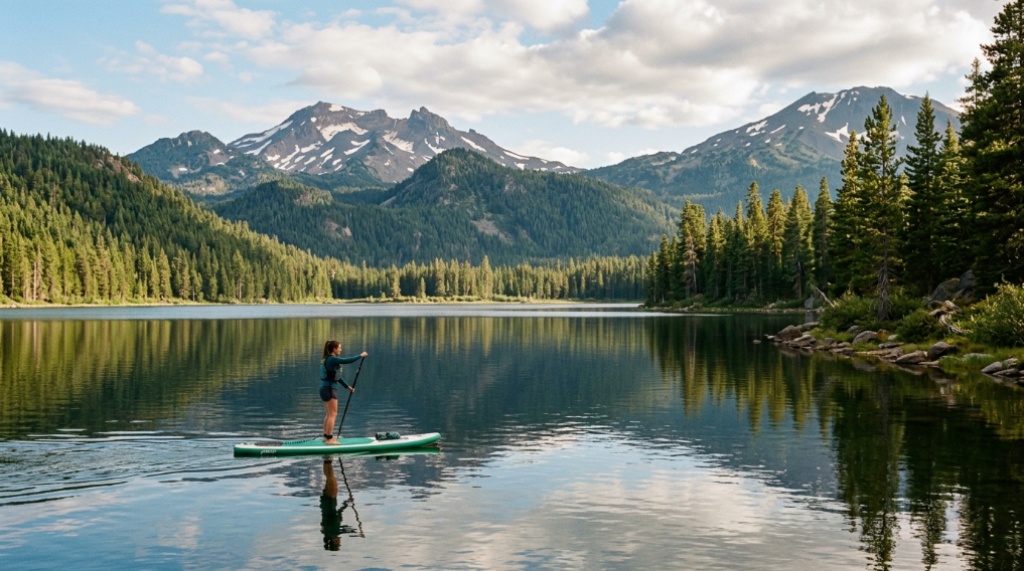
Oregon looks like a paddler’s dream on paper—rivers, alpine lakes, coastal bays, and calm reservoirs within a few hours of each other. The catch is that conditions change fast here, and a plan that works in July on a Willamette Valley reservoir can fail badly on a coastal bay by early afternoon. If you’re working with limited gear or a tight budget, a few smart decisions before you leave the driveway matter more than any single piece of equipment. Pairing local knowledge with something like this budget-friendly inflatable SUP guide can help you match your board to the water you’re actually paddling, not the water in the brochure.
Thank you for reading this post, don't forget to subscribe!Quick Answer
To plan a great paddleboarding day in Oregon, pick your water type first (lake, river, or coastal bay), then check wind, tide, and water temperature forecasts the night before and again that morning. Launch early—before 10 a.m. in summer—because afternoon winds and coastal fog build quickly. Bring a leash, PFD, dry bag, and layers even on warm days. Oregon’s water stays cold year-round, so dress for immersion, not air temperature.
Key Takeaways
- Oregon’s water is cold year-round, so a PFD and immersion-appropriate clothing matter more than board brand.
- Wind is the single biggest factor that ruins a paddle day—plan around morning calm windows.
- Coastal bays and the Columbia River Gorge demand tide and current checks; inland lakes are far more forgiving.
- An inflatable SUP packs into a car trunk, which opens up alpine lakes and remote launches a hardboard can’t reach easily.
- Always check for harmful algal blooms and local restrictions before paddling a new water body.
Start With the Water Type, Not the Board
The most common planning mistake is picking a launch spot based on photos instead of matching the water to your skill level and gear. Oregon has four very different paddle environments, and each one asks something different from you.
Lakes and Reservoirs
Calm, predictable, and the best choice for beginners. Detroit Lake, Lake Billy Chinook, and the many Cascade lakes near Bend offer protected coves and easy shore access. Wind still matters—large lakes can turn choppy by early afternoon—but you rarely deal with current or tide.
Rivers
The Willamette, Deschutes, and McKenzie are popular, but rivers require shuttle planning, awareness of strainers and rapids, and a realistic read on your upstream paddling ability. If you can’t paddle back against the current, you need two vehicles or a shuttle service.
Coastal Bays and Estuaries
Netarts, Tillamook, and Coos Bay offer sheltered water, but tides and currents change the whole picture within hours. A bay that’s glassy at slack tide can move fast once the tide turns. Check a tide chart and aim for slack high or slack low water.
The Columbia River Gorge
Beautiful and unforgiving. The Gorge funnels wind, and afternoon gusts can hit levels that overwhelm most recreational paddlers. Go early, stay close to shore, and treat the forecast as a hard limit rather than a suggestion.
How to Read an Oregon Paddle Forecast
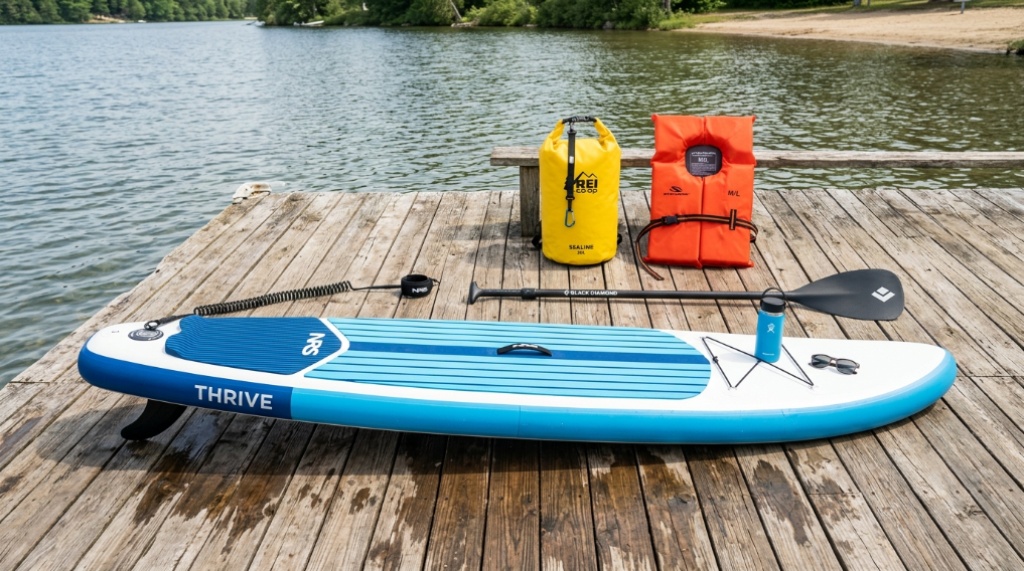
Checking the weather app is not enough. You want four specific data points, and you want them for your exact launch location, not the nearest city.
- Wind speed and gusts: Anything sustained above roughly 10–12 mph starts making flatwater paddling frustrating. Gusts matter more than averages.
- Tide and current: Essential for bays, estuaries, and the lower Columbia. Plan around slack water.
- Water temperature: Coastal water often sits in the 50s°F even in summer. Inland lakes warm into the 60s–70s by late summer but stay cold in spring and fall.
- Air temperature and fog: The Oregon coast can be 55°F and foggy while Portland is 85°F and sunny. Dress for the coast, not the city.
A simple rule: if the forecast shows gusts above what you’d comfortably paddle into, pick a smaller, more sheltered body of water instead of canceling.
What to Pack for an Oregon Paddle Day
Oregon’s climate rewards layering and punishes overconfidence. A few items make the difference between a fun day and a cold, short one.
- PFD: Required by Oregon law for each person on board, and non-negotiable in cold water.
- Leash: A coiled leash for flatwater, a straight leash for moving water—but never a leash on a river with current you can’t manage.
- Layers: Synthetic or wool base layer, quick-dry top, and a windproof shell. Avoid cotton.
- Dry bag: For phone, keys, and a spare layer. Oregon rain and splash are both real.
- Water and snacks: Sun and wind dehydrate you faster than you expect.
- Sun protection: Water reflects UV. Sunscreen, hat, and sunglasses with a strap.
- Repair kit: Inflatable boards ship with a patch kit for a reason—carry it.
Timing Your Day Around Oregon’s Wind and Fog
If you only remember one planning rule, make it this: paddle early. In most of Oregon, wind builds through the late morning and peaks in the afternoon. Coastal fog often burns off by mid-morning but can return in the evening. A 7–10 a.m. window is usually the calmest and clearest part of the day.
Fall and spring offer excellent paddling with fewer crowds, but water is colder and weather shifts faster. Winter paddling is possible on sheltered water with proper cold-water gear, but it is not a beginner activity in Oregon, Before planning your next trip, make sure to review guidelines like manatee etiquette and wildlife safety for florida paddle boarders if you plan on exploring other coastal regions in the future.
Common Mistakes That Ruin Oregon Paddle Days
- Dressing for the air, not the water: A 75°F day on a 55°F lake still means cold-water shock if you fall in.
- Ignoring afternoon wind: Paddling out with a tailwind and fighting it back is the classic mistake.
- Skipping the tide chart: Coastal bays can go from calm to current-heavy in under an hour.
- Overestimating range: Distance on flatwater looks easy on a map and feels very different against wind or current.
- Forgetting algae advisories: Oregon posts harmful algal bloom warnings for some lakes and rivers. Check the Oregon Health Authority advisories before you go.
Is an Inflatable SUP a Good Fit for Oregon?
For most recreational paddlers in Oregon, yes. Inflatables pack into a car trunk, survive rocky launches better than hardboards, and let you access alpine lakes and remote coastal put-ins without a roof rack. The trade-offs are real: inflatables are generally slower and less glide-efficient than rigid boards, and cheaper models can flex under heavier paddlers.
If your priority is calm lakes and easy transport, an inflatable is a strong match. If you plan to paddle long distances on open water or surf, a hardboard will outperform it. Match the board to the water you’ll actually paddle most often, not the one you dream about.
Frequently Asked Questions
Do I need a permit to paddleboard in Oregon?
Oregon requires a Waterway Access Permit for paddlecraft 10 feet and longer on most waterways. Short boards under 10 feet are generally exempt. Check current rules before you launch, since requirements can change.
Is it safe to paddleboard on the Oregon coast?
In sheltered bays and estuaries at slack tide, yes, with experience. The open ocean is a different category—surf, swell, and cold water make it unsuitable for most recreational paddlers. Stick to protected water unless you have specific coastal paddling skills.
What water temperature is too cold for paddleboarding?
There’s no single cutoff, but water below about 60°F carries real cold-shock risk if you fall in. Oregon’s coastal water is often in the 50s°F year-round, and many lakes stay cold into early summer. Dress for immersion, not air temperature.
Can beginners paddleboard in Oregon?
Absolutely. Start on a calm inland lake with light wind, stay close to shore, and go early in the day. Avoid rivers with current and coastal bays until you’re comfortable with balance, self-rescue, and reading conditions.
What’s the best time of year to paddleboard in Oregon?
Late spring through early fall offers the most reliable conditions. July through September brings the warmest water and most stable weather, though afternoon winds still build. Early mornings are consistently the best window in every season.
How do I check for harmful algal blooms before paddling?
Check the Oregon Health Authority’s recreational advisory page for current bloom warnings. If water looks like pea soup, paint, or scum, avoid it and keep pets out. When in doubt, choose a different water body.
Conclusion
The perfect Oregon paddle day comes down to three decisions made before you launch: choose water that matches your skill and gear, check wind, tide, and water temperature for that exact spot, and start early. Everything else—board choice, snacks, route—falls into place once those three are handled. Pick a calm lake for your first outing, build confidence, then expand to rivers and coastal bays as your skills and cold-water gear allow. The state rewards paddlers who plan around its conditions rather than against them.