
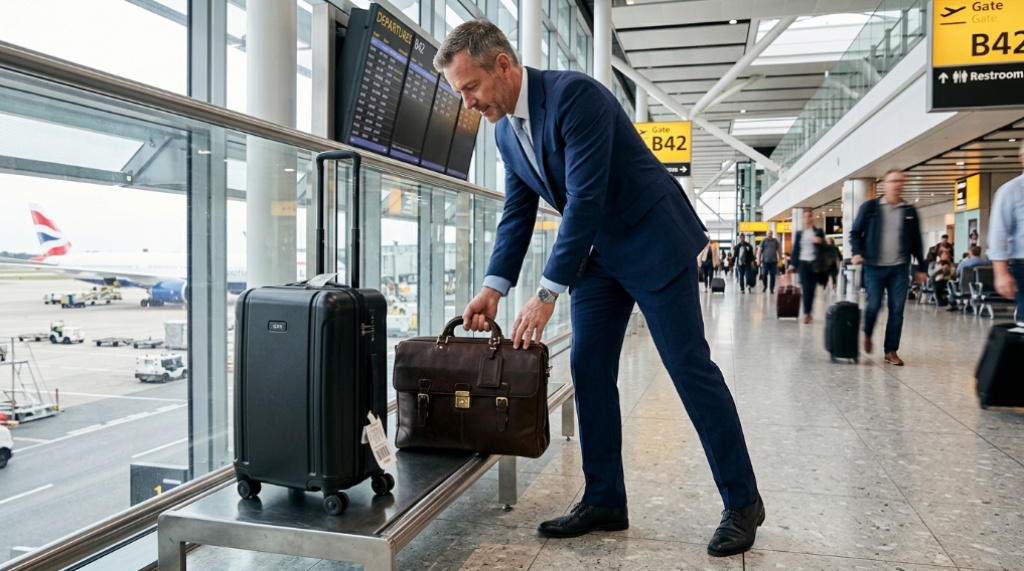
You have probably seen it happen: a colleague strides into a client meeting with a briefcase that looks the part, but the moment they open it, papers slide out, the laptop barely fits, and the strap digs into their shoulder on the walk back to the car. Choosing a briefcase is not about picking the most expensive one or the one with the best brand name. It is about matching capacity, materials, organization, and carry comfort to how you actually work and travel. That is the approach LuxuryProBags takes when evaluating bag types, and it is the same framework this guide uses to help you decide.
Thank you for reading this post, don't forget to subscribe!Quick Answer
Choose a briefcase by matching four factors to your routine: the largest item you must carry daily (usually a laptop), the total volume of documents and accessories you need, the materials that suit your climate and travel frequency, and the carry style you can sustain for long distances. A leather attaché or flap-over works well for office-focused professionals, while a nylon or leather-trimmed laptop briefcase with a trolley sleeve is better for frequent flyers. Prioritize interior organization and laptop protection over exterior style, because those determine daily usability.
Key Takeaways
- Measure your laptop and daily carry load before comparing briefcases; size mismatches cause more returns than any other factor.
- Full-grain leather ages well and looks professional but is heavier and needs care; nylon and coated canvas are lighter and more weather-resistant.
- A luggage pass-through sleeve and a removable shoulder strap are the two features that most improve business travel.
- Interior organization (padded laptop compartment, document dividers, key leash) matters more than exterior pocket count.
- Try to test the loaded weight on your shoulder before buying; a briefcase that feels fine empty can become uncomfortable after an hour.
Start With Size and Capacity, Not Style
The most common mistake is choosing a briefcase by appearance and then discovering it does not fit a 15-inch laptop, a folder, or a charger. Before you look at any product, measure the largest item you carry daily. Add roughly one inch of clearance on each dimension for padding and ease of insertion. Then estimate the total volume: a slim attaché typically holds a laptop, a notebook, a few documents, and small accessories, while a larger flap-over or expandable briefcase can add a change of clothes for an overnight trip.
If you carry a laptop, a tablet, and a paper notebook every day, a briefcase with a dedicated padded laptop sleeve and at least one full-width document section is the practical minimum. If your load changes frequently, an expandable briefcase gives you flexibility without forcing you to own two bags.
Materials: Leather vs Nylon vs Coated Canvas
Material affects weight, durability, appearance, and how much maintenance the briefcase demands. Full-grain leather develops a patina over time and reads as formal, but it is heavier and needs occasional conditioning. Top-grain and bonded leather are lighter on the wallet but wear faster. Nylon and coated canvas are lighter, resist rain well, and often cost less, but they look more casual and may not suit conservative industries.
| Material | Weight | Weather Resistance | Formality | Maintenance |
|---|---|---|---|---|
| Full-grain leather | Heavy | Moderate | High | Condition periodically |
| Top-grain leather | Medium | Moderate | High | Occasional care |
| Nylon | Light | High | Low to medium | Wipe clean |
| Coated canvas | Light to medium | High | Medium | Wipe clean |
There is no universally best material. Choose leather if your workplace is formal and you value longevity. Choose nylon or coated canvas if you commute in unpredictable weather, travel often, or want to keep the bag light.
Interior Organization: What Actually Matters
A briefcase with ten exterior pockets but no padded laptop compartment is less useful than a simpler bag with smart internal structure. Look for these features in order of importance:
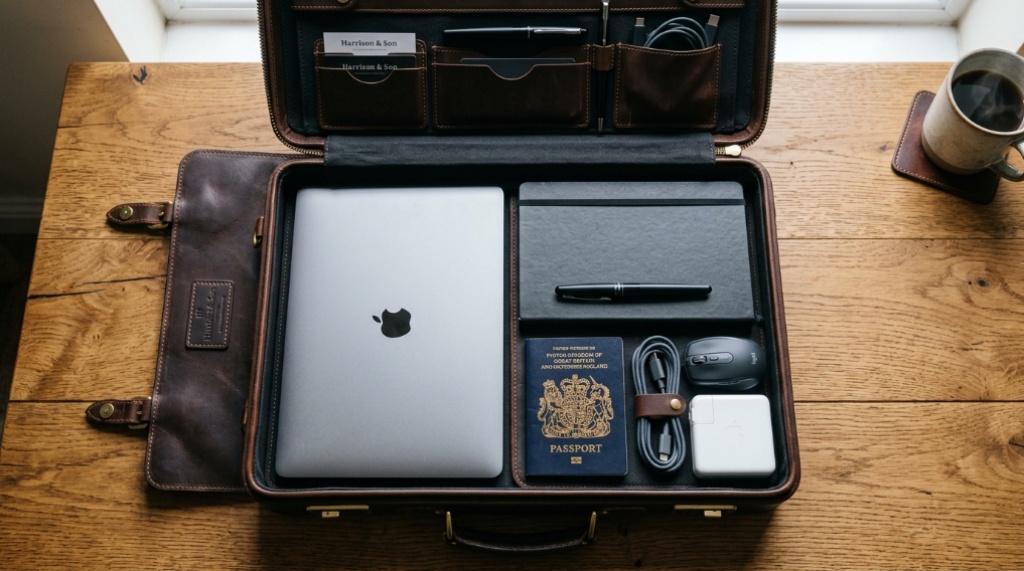
- Padded laptop compartment sized to your device, ideally suspended above the bottom of the bag to absorb drops.
- Full-width document section for folders, contracts, or a tablet.
- Small accessory pockets for pens, business cards, a phone, and cables.
- Key leash or clip so you are not digging at the bottom of the bag.
- Water bottle or umbrella space if you commute on foot or by transit.
Too many compartments can also be a problem. If you cannot remember where you put your charger, the organization is working against you. The best layout matches your habits: if you carry the same items daily, a fixed layout works well; if your load changes, a briefcase with removable dividers or a large open main compartment is more flexible.
Carry Options and Comfort for Long Days
Briefcases are carried three ways: by a top handle, over the shoulder with a strap, or across the body. The top handle is the most formal and keeps the bag close, but it ties up one hand. A shoulder strap distributes weight but can slide off a coat. A crossbody strap is the most secure for walking and transit, though it looks less formal.
If you carry more than about 8 to 10 pounds regularly, a padded, adjustable shoulder strap is close to essential. Detachable straps let you switch to a handle-only look for meetings. When testing a briefcase, load it with your actual gear and walk for several minutes. A bag that feels fine empty can become uncomfortable once a laptop and charger are inside, If you are looking to expand your digital footprint beyond physical products, check out our guide on how to utilize hawaii social media for businesses boost local awareness to grow your brand online.
Features That Matter for Business Travel
If you fly frequently, a few specific features make a bigger difference than brand or leather grade:
- Luggage pass-through sleeve that slides over a rolling suitcase handle.
- TSA-friendly laptop access so you can remove the laptop without unpacking the whole bag.
- Durable zippers and hardware that survive repeated security checks and overhead bin handling.
- Compact footprint that fits under the seat in front of you on most aircraft.
- Secure closure (zipper or flap with lockable hardware) to protect contents during transit.
For overnight business trips, an expandable briefcase or a briefcase with a dedicated garment or shoe section can replace a separate carry-on for short journeys. For longer trips, a briefcase that pairs well with a roller bag is usually the better choice.
Common Mistakes to Avoid
Most briefcase regrets come from a small set of avoidable errors:
- Buying before measuring. Confirm the laptop, charger, and folder dimensions first.
- Ignoring loaded weight. Leather briefcases can weigh several pounds empty.
- Overvaluing exterior style. Interior layout determines daily satisfaction.
- Choosing a strap that is not padded. Thin straps cut into the shoulder under load.
- Skipping the return policy check. Fit and comfort issues often only appear after real use.
Matching the Briefcase to Your Work Style
The right briefcase depends on how you spend your week. A lawyer or consultant who moves between offices and client sites usually benefits from a structured leather attaché with a document section and a padded laptop sleeve. A sales professional who flies twice a month is better served by a lighter briefcase with a trolley sleeve and quick-access laptop compartment. A developer or designer who carries a laptop, tablet, and cables may prefer a briefcase with a more flexible, tech-oriented interior over a traditional slim attaché.
If your role changes frequently or you travel for both work and personal reasons, an expandable leather or leather-trimmed briefcase offers the widest range of use. If your workplace is casual and your priority is low weight, a nylon briefcase with leather accents can look professional without the maintenance burden.
Frequently Asked Questions
What size briefcase do I need for a 15-inch laptop?
Look for a briefcase with an interior laptop compartment at least 15.6 inches wide and 10.5 inches tall, plus about an inch of clearance for padding. Check the listed laptop sleeve dimensions rather than the exterior size, because exterior measurements include pockets and structure.
Is leather better than nylon for a work briefcase?
Leather looks more formal, ages well, and suits conservative workplaces, but it is heavier and needs care. Nylon is lighter, more weather-resistant, and often more affordable. The better choice depends on your industry, climate, and how much weight you are willing to carry.
Can a briefcase replace a carry-on for short business trips?
For one-night trips, an expandable briefcase or one with a dedicated clothing section can work, provided it fits under the seat and meets airline size limits. For trips longer than one night, pairing a briefcase with a small roller bag is usually more practical.
Do I need a luggage pass-through sleeve?
If you fly or take trains regularly, yes. A pass-through sleeve lets the briefcase sit securely on a rolling suitcase handle, which reduces shoulder strain and keeps your hands free in terminals. If you rarely travel with a roller bag, it is optional.
How much should a good briefcase weigh empty?
A lightweight nylon briefcase may weigh under two pounds, while a full-grain leather briefcase can weigh four to six pounds empty. If you carry a laptop and documents daily, staying under about four pounds empty helps keep the loaded bag manageable.
Should I choose a briefcase with a shoulder strap or a handle only?
Choose a shoulder strap if you walk or use transit regularly, because it distributes weight and frees your hands. A handle-only briefcase looks more formal for meetings and is fine for short car-to-office commutes, but it becomes tiring under load for long distances.
Conclusion
Choosing the right briefcase comes down to measuring your actual carry load, matching materials to your climate and formality needs, and prioritizing interior organization and carry comfort over exterior style. Start with the laptop and documents you carry daily, then decide whether leather or nylon fits your routine, and confirm that the strap, laptop sleeve, and travel features match how you move. If you follow that order, you will end up with a briefcase that works as well on a Tuesday commute as it does on a Friday flight.