
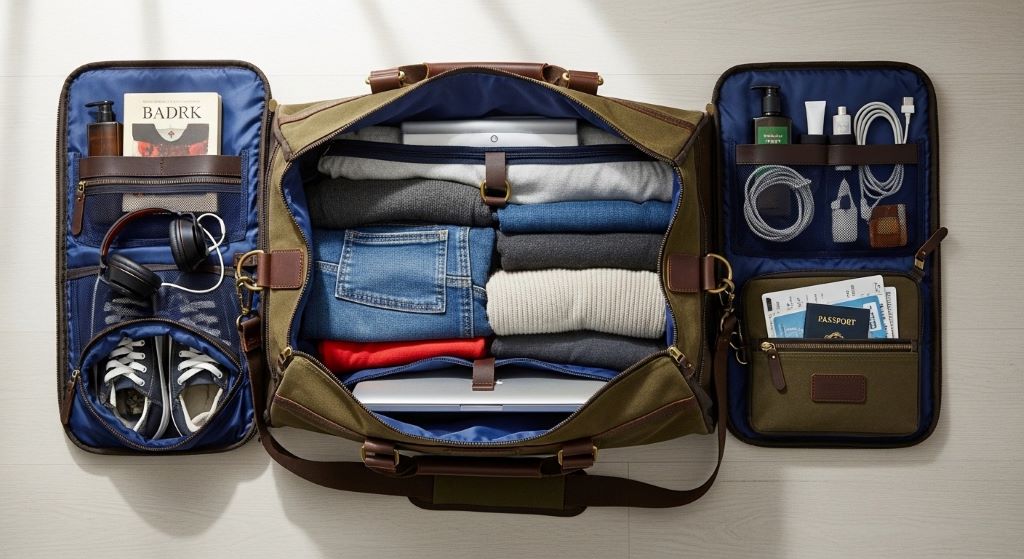
Planning a spontaneous weekend trip or a short business excursion requires the right luggage companion. A well-chosen bag can transform your travel experience from stressful to seamless. Whether you’re heading to the beach, visiting family, or attending a conference, selecting the ideal carry-all makes packing easier and traveling more enjoyable.
Thank you for reading this post, don't forget to subscribe!Understanding Your Travel Needs
Before purchasing any bag, consider how you typically travel. Do you prefer flying or driving to your destinations? Will you need to carry workout gear or formal clothing? Additionally, think about the duration of your trips and what items you absolutely must bring along.
Different travelers have different priorities. Some people value style above all else, while others prioritize functionality. Meanwhile, certain individuals need bags that transition smoothly from casual weekends to professional settings. Understanding your specific requirements helps narrow down the overwhelming number of options available today.
Size Matters More Than You Think
The dimensions of your bag directly impact your travel comfort. A bag that’s too large becomes cumbersome and difficult to manage. Conversely, one that’s too small forces you to leave essential items behind or pack inefficiently.
Most weekend trips require bags between 40 and 60 liters in capacity. This size range comfortably holds clothing for two to three days, toiletries, shoes, and a few accessories. However, always check airline carry-on restrictions if you plan to fly. Many carriers limit overhead bin luggage to specific dimensions, typically around 22 x 14 x 9 inches.
Consider your body frame as well. A bag that looks proportional on someone tall might overwhelm a shorter person. Therefore, try carrying the bag before purchasing to ensure it feels balanced and manageable when fully packed.
Material Quality and Durability
The fabric your bag is made from determines its longevity and performance. Canvas offers a classic look and reasonable durability for occasional use. Nylon provides excellent water resistance and weighs less than most alternatives. Meanwhile, leather creates a sophisticated appearance but requires more maintenance and comes with a higher price tag.
Look for reinforced stitching at stress points like handles and shoulder straps. These areas endure the most wear and tear during travel. Additionally, quality zippers make a significant difference in your bag’s lifespan. YKK zippers are industry-leading and rarely fail, even after years of regular use.
Water-resistant or waterproof materials protect your belongings from unexpected weather. Even if you don’t anticipate rain, spills happen in airports, train stations, and hotels. A bag with weather protection provides peace of mind and keeps your clothes dry.
Compartments and Organization Features
A bag’s interior layout affects how easily you can pack and access your belongings. Multiple compartments help separate clean clothes from dirty ones, shoes from garments, and electronics from toiletries. Furthermore, dedicated pockets for specific items reduce the time spent digging through your bag.
Look for these organizational features when shopping:
- Shoe compartments that isolate dirty soles from clean clothing
- Padded laptop sleeves for electronic device protection
- External pockets for quick access to travel documents and phones
- Interior mesh pockets for small items like chargers and headphones
- Separate wet compartments for damp swimwear or gym clothes
Some bags include removable organizational inserts or pouches. These versatile additions allow you to customize the interior layout based on each trip’s specific needs. Therefore, you can reconfigure your bag for beach vacations, business trips, or outdoor adventures.
Carrying Comfort and Strap Options
How you carry your bag significantly impacts your travel experience. Shoulder straps should be wide, padded, and adjustable to distribute weight evenly. Thin straps dig into your shoulder and become painful during extended carry times.
Many modern bags offer multiple carrying options. Dual handles allow you to carry the bag by hand when navigating tight spaces. Additionally, a removable shoulder strap provides flexibility for different situations. Some designs even include backpack-style straps that free both hands when you need them.
Test the bag’s weight distribution before buying. Load it with items similar to what you’d pack for a typical trip. Walk around the store to see how it feels after a few minutes. Your shoulder shouldn’t strain, and the bag shouldn’t swing awkwardly as you move.
Style and Aesthetic Considerations
Your bag reflects your personal style and makes an impression wherever you travel. Fortunately, functional bags no longer sacrifice aesthetics for practicality. Today’s market offers options ranging from minimalist designs to bold statement pieces.
Consider where you’ll use the bag most often. A leather duffel in rich brown or black works well for business trips and formal occasions. Canvas bags in neutral colors like navy, gray, or olive complement casual weekend getaways. Meanwhile, bags in bright colors or unique patterns help you spot your luggage quickly on baggage carousels.
The bag should align with your wardrobe and lifestyle. If you dress casually, a sporty design makes sense. However, if your weekends often include upscale restaurants or events, choose something more refined. Versatility is key—select a style that works across multiple contexts.

Budget Considerations and Value
Quality bags range from affordable options under fifty dollars to luxury pieces costing several hundred. Your budget should reflect how frequently you travel and what features matter most to you.
Occasional travelers might find budget-friendly options perfectly adequate. These bags handle a few trips per year without issues. However, frequent travelers benefit from investing in higher-quality construction that withstands regular use. A durable travel weekender bag saves money long-term by eliminating the need for frequent replacements.
Don’t automatically assume expensive means better. Research brands and read customer reviews to identify which companies offer genuine value. Some mid-range manufacturers produce excellent bags that compete with luxury brands in quality and durability.
Special Features Worth Considering
Modern bags include innovative features that enhance the travel experience. USB charging ports built into bags allow you to charge devices on the go. Luggage sleeves that slide over rolling suitcase handles make navigating airports easier. Additionally, some bags include RFID-blocking pockets that protect credit cards and passports from electronic theft.
Compression straps help reduce bag bulk when you pack lightly. This feature proves especially useful on return trips when you’ve acquired souvenirs or gifts. Furthermore, expandable designs provide extra capacity when needed without making the bag unnecessarily large for minimal packing.
Consider whether these extras justify additional cost. Some features provide genuine convenience, while others serve as marketing gimmicks. Prioritize innovations that address your specific travel challenges rather than collecting features you’ll never use.
Maintenance and Care Requirements
Different materials demand varying levels of upkeep. Canvas bags benefit from occasional spot cleaning and may require waterproofing spray reapplication. Leather needs conditioning to prevent cracking and maintain its appearance. Meanwhile, synthetic materials typically only need simple wipe-downs with damp cloths.
Check whether the bag is machine washable before purchasing. Some manufacturers design bags for easy cleaning, while others require hand washing or professional care. Additionally, consider how visible wear and stains will be on your chosen color and material. Light colors show dirt quickly but look fresh and modern. Dark colors hide marks better but may show dust and lint.
Proper storage extends your bag’s life. Keep it in a cool, dry place when not in use. Stuff it with tissue paper or bubble wrap to maintain its shape. Therefore, when you’re ready for your next adventure, your bag looks as good as the day you bought it.
Testing Before You Buy
Whenever possible, examine bags in person rather than relying solely on online photos. Pick them up, open all compartments, and test the zippers. Feel the material quality and check the stitching. Additionally, try on the bag with weight inside to assess comfort.
Many sporting goods stores and luggage shops allow you to pack items and walk around. Take advantage of these opportunities to evaluate how the bag performs under realistic conditions. Pay attention to any awkward rubbing, strap slipping, or balance issues.
If buying online, research the return policy thoroughly. Ensure you can return the bag if it doesn’t meet expectations. Read customer reviews focusing on comments about durability, size accuracy, and customer service experiences. Furthermore, look for photos uploaded by actual buyers rather than relying only on professional product images.
Environmental and Ethical Considerations
Increasingly, travelers care about the environmental impact of their purchases. Some manufacturers use recycled materials or sustainable production methods. Others partner with fair trade organizations or donate portions of profits to conservation efforts.
Research brands that align with your values. Companies transparent about their supply chains and manufacturing processes typically prioritize ethical practices. Additionally, choosing a durable bag that lasts years reduces waste compared to frequently replacing cheaply made alternatives.
Consider secondhand options as well. Vintage leather duffels or gently used designer bags offer quality at reduced prices while extending product lifecycles. Therefore, you save money and reduce environmental impact simultaneously.
Making Your Final Decision
After evaluating all these factors, create a shortlist of bags that meet your requirements. Compare them directly across categories like price, features, durability, and style. Eliminate options that fall short in your priority areas.
Remember that no single overnight duffel bag perfectly suits everyone. The ideal choice depends on your unique travel patterns, budget constraints, and personal preferences. Trust your instincts after thorough research—if a bag checks all your boxes and feels right, it probably is.
Don’t rush the decision. A quality bag serves you for years, making it worth the time to choose wisely. However, avoid analysis paralysis by setting a decision deadline. Too much research becomes counterproductive and prevents you from enjoying your new bag on upcoming trips.
Conclusion
Selecting the perfect weekender bag involves balancing multiple factors including size, material, organization, comfort, and style. Understanding your specific travel needs guides you toward bags that enhance rather than hinder your journeys. Quality construction ensures your investment lasts through countless adventures, while thoughtful features make packing and accessing belongings effortless.
Whether you prioritize fashion, function, or value, today’s market offers excellent options across all price points. Take time to research thoroughly, test bags when possible, and choose one that genuinely excites you. The right bag transforms quick getaways into smooth, enjoyable experiences from the moment you start packing until you return home.
Frequently Asked Questions
What size bag is best for a three-day weekend trip?
A bag between 40 and 50 liters typically provides enough space for three days of clothing, toiletries, and accessories without being overly bulky. This capacity allows you to pack efficiently while maintaining carry-on eligibility for most airlines.
Can I use a weekender bag as a carry-on for flights?
Most weekender bags qualify as carry-on luggage if their dimensions don’t exceed 22 x 14 x 9 inches. However, always verify your specific airline’s restrictions before traveling, as budget carriers sometimes enforce stricter size limits.
How do I clean and maintain my duffel bag?
Cleaning methods depend on your bag’s material. Canvas bags often tolerate gentle machine washing, while leather requires specialized cleaners and conditioners. Synthetic fabrics usually need only spot cleaning with mild soap and water. Always check manufacturer care instructions.
Are expensive bags worth the investment for occasional travelers?
For infrequent travel, mid-range bags typically offer the best value. They provide adequate durability and features without the premium price of luxury brands. However, if you value specific high-end materials or craftsmanship, investing more might bring personal satisfaction beyond pure functionality.
What’s the difference between a weekender bag and a regular gym bag?
Weekender bags typically include more organizational compartments, better quality materials, and more refined aesthetics suitable for various travel contexts. Gym bags focus primarily on functionality for athletic gear with less emphasis on style or versatility across different settings.
Related Topics:
Master the Art of Packing: Clever Techniques for a Stress-Free Getaway
How to Choose the Right Hotel for Your Weekend Getaway