
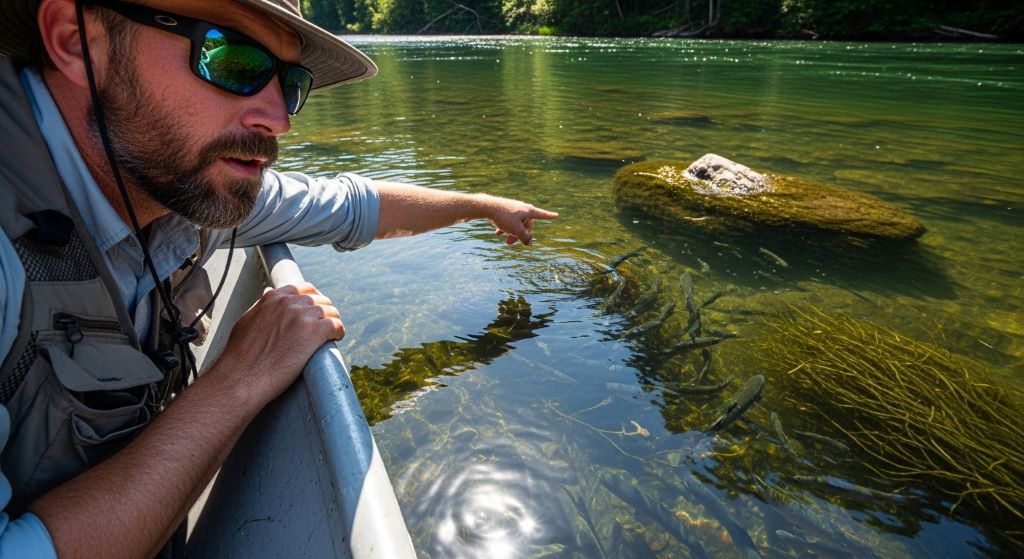
Fishing is not only about skill and patience. It is also about seeing clearly beneath the water’s surface. Many anglers struggle with bright sunlight reflecting off the water. This reflection makes it hard to spot fish, structure, or movement. However, polarized fishing sunglasses can solve this problem effectively.
Thank you for reading this post, don't forget to subscribe!These specialized lenses are designed to cut surface glare and improve clarity. Therefore, they help you detect fish faster and reduce eye strain during long fishing sessions. In this guide, you will learn how to use polarized fishing sunglasses properly to improve your visibility and overall fishing success.
Understanding Polarized Fishing Sunglasses
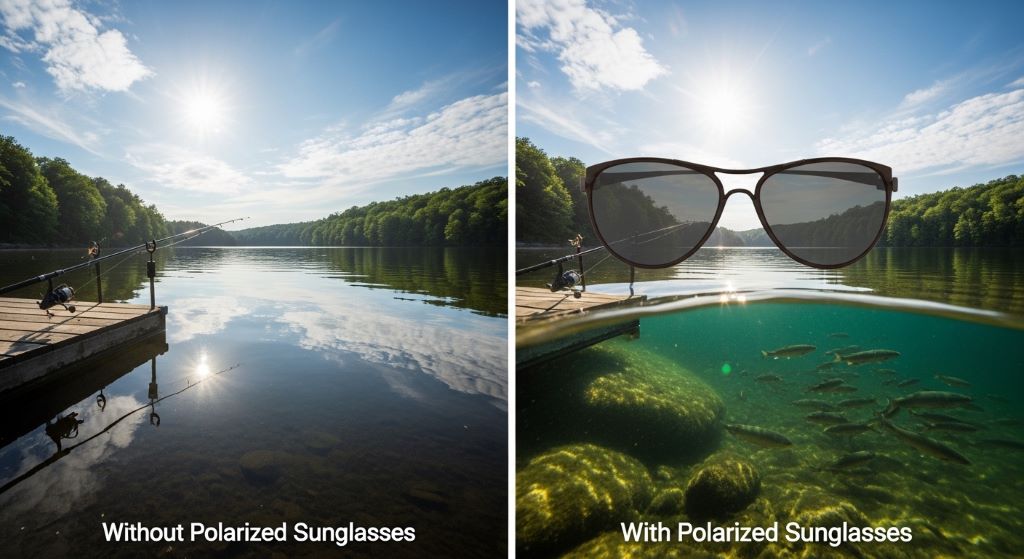
Polarized sunglasses are different from regular sunglasses. They contain a special filter that blocks horizontal light waves. These waves are responsible for glare from water surfaces.
When sunlight hits water, it reflects horizontally. As a result, your eyes receive intense brightness. Polarized lenses block this reflection. Therefore, they allow only useful vertical light to pass through.
Additionally, these sunglasses enhance contrast and color clarity. This makes it easier to see underwater features such as rocks, weeds, and fish movement.
Why Visibility Matters in Fishing
Clear vision is one of the most important factors in fishing. Without it, you are essentially guessing.
When you can see beneath the surface:
- You can spot fish faster
- You can identify structures where fish hide
- You can adjust your casting accuracy
- You can avoid underwater obstacles
However, glare can block your view completely. This is where glare reduction, eye protection fishing becomes essential for every angler.
How Polarized Lenses Improve Visibility
Polarized lenses work by filtering out harsh reflections. As a result, your eyes receive cleaner and more focused light.
Here is how they help:
- Reduce glare from water surfaces
- Increase contrast between objects
- Improve depth perception
- Allow you to see below the surface
Additionally, they reduce eye fatigue. This is important during long hours under the sun.
Therefore, using polarized sunglasses is not just about comfort. It is about improving your fishing performance.
Choosing the Right Lens Color
Lens color plays a major role in visibility. Different environments require different lens tints.
Gray Lenses
Gray lenses reduce brightness without changing colors. They are ideal for bright sunny days and open water.
Brown or Amber Lenses
These lenses enhance contrast and depth. Therefore, they are perfect for shallow water and spotting fish.
Green Lenses
Green lenses provide balanced contrast and brightness. They work well in mixed light conditions.
Yellow or Copper Lenses
These are best for low-light conditions such as early morning or cloudy days.
Additionally, choosing the right color improves glare reduction, eye protection fishing performance significantly.
Proper Fit and Comfort
Even the best sunglasses will fail if they do not fit properly.
A good fit should:
- Sit comfortably on your nose
- Stay in place during movement
- Cover your eyes completely
- Block light from the sides
Wraparound styles are highly recommended. They prevent light from entering from the edges.
Additionally, lightweight frames reduce pressure during long fishing sessions. Therefore, comfort directly affects your focus and performance.
When to Use Polarized Sunglasses
Polarized sunglasses are useful in many fishing situations.
Bright Sunny Days
This is when glare is strongest. Therefore, polarized lenses are most effective.
Shallow Water Fishing
You can see fish, weeds, and rocks clearly. This improves your targeting accuracy.
Boat Fishing
Water reflections are stronger in open water. Polarized lenses help maintain visibility.
Shore Fishing
Even from the bank, glare can reduce visibility. Therefore, sunglasses remain essential.
Additionally, using them consistently improves your overall fishing experience.
How to Position Yourself for Better Visibility
Even with polarized sunglasses, your position matters.
- Stand with the sun behind you
- Avoid looking directly into sunlight
- Adjust your angle to reduce reflections
- Move slowly to detect fish movement
Therefore, combining proper positioning with good sunglasses gives the best results.
Maintaining Your Polarized Sunglasses
Proper care ensures long-lasting performance.
Cleaning Tips
- Use a microfiber cloth
- Avoid rough materials
- Use lens-safe cleaning solutions
Storage Tips
- Keep them in a protective case
- Avoid leaving them in hot places
- Do not place them face down
Additionally, scratched lenses reduce visibility and effectiveness. Therefore, regular maintenance is important.
Common Mistakes to Avoid
Many anglers do not use their sunglasses correctly.
Ignoring Lens Quality
Cheap lenses may not provide true polarization. Therefore, always choose reliable options.
Using the Wrong Lens Color
Different conditions require different lenses. Using the wrong one reduces effectiveness.
Not Wearing Them Consistently
Some anglers remove sunglasses frequently. However, constant use ensures better eye adaptation.
Poor Fit
Loose sunglasses reduce performance and comfort.
Avoiding these mistakes improves glare reduction, eye protection fishing benefits.
Benefits Beyond Visibility
Polarized sunglasses offer more than just better vision.
Eye Safety
They protect your eyes from harmful UV rays. Therefore, they reduce the risk of long-term damage.
Reduced Eye Strain
Less glare means less squinting. This keeps your eyes relaxed.
Better Focus
Clear vision helps you stay alert and responsive.
Improved Fishing Success
Seeing fish clearly increases your chances of catching them.
Additionally, investing in good sunglasses improves both safety and performance.
Tips for Beginners
If you are new to fishing, start with these simple tips:
- Choose medium tint lenses for versatility
- Use wraparound frames
- Practice spotting fish in shallow water
- Keep your lenses clean at all times
- Adjust your viewing angle regularly
Additionally, learning how to use polarized sunglasses properly takes practice. Therefore, spend time observing water conditions.
Advanced Techniques for Experienced Anglers
Experienced anglers can use advanced techniques for better results.
Reading Water Patterns
Look for ripples, shadows, and movement. Polarized lenses make these details clearer.
Spotting Fish Behavior
You can observe how fish react to bait. Therefore, you can adjust your strategy.
Targeting Structures
Identify submerged logs, rocks, and vegetation where fish hide.
Adapting to Light Conditions
Switch lens colors based on time of day and weather.
Additionally, mastering these techniques enhances glare reduction, eye protection fishing efficiency.
How Weather Affects Visibility
Weather plays a key role in how effective your sunglasses are.
Sunny Weather
Best conditions for polarized lenses. Visibility is highest.
Cloudy Weather
Use lighter lenses to maintain clarity.
Windy Conditions
Water surface becomes uneven. However, polarization still helps reduce reflections.
Rainy Conditions
Visibility decreases. Therefore, choose lenses that enhance contrast.
Understanding weather conditions helps you choose the right sunglasses.
Combining Sunglasses with Other Gear
Polarized sunglasses work best when combined with proper fishing gear.
- Use hats to block overhead sunlight
- Wear light-colored clothing to reduce heat
- Use quality rods and reels for better control
- Carry cleaning kits for lens maintenance
Additionally, combining gear improves your overall fishing experience.
Conclusion
Polarized fishing sunglasses are essential for anyone who wants better visibility on the water. They reduce glare, improve clarity, and protect your eyes from harmful sunlight. However, using them correctly is just as important as owning them.
By choosing the right lens color, ensuring a proper fit, and maintaining your sunglasses, you can maximize their benefits. Additionally, combining good positioning and awareness of weather conditions further enhances your fishing performance.
Whether you are a beginner or an experienced angler, mastering the use of polarized sunglasses will improve your success and enjoyment on every fishing trip.
Frequently Asked Questions (FAQs)
-
What makes polarized sunglasses better for fishing?
Polarized sunglasses reduce water glare and improve visibility below the surface, making it easier to spot fish and structures.
-
Which lens color is best for fishing?
Brown or amber lenses are ideal for shallow water, while gray lenses work best in bright sunlight.
-
Can polarized sunglasses protect my eyes?
Yes, they block harmful UV rays and reduce eye strain during long fishing sessions.
-
Are expensive polarized sunglasses worth it?
High-quality lenses offer better clarity and durability. Therefore, they are a worthwhile investment.
-
Can I use polarized sunglasses in cloudy weather?
Yes, but lighter lens colors like yellow or copper work better in low-light conditions.
Related Topics:
Best Black Friday Hunting Deals: Gear Up for Epic Adventures Without Breaking the Bank
Best and Cheapest Valentine’s Gifts for Grandchildren