

Getting out of a bunker is one of the trickiest challenges in golf. The right club makes a huge difference. However, many golfers overlook just how much their equipment matters in the sand. Choosing the best sand wedge is not just about price or brand. It is about matching the club to your swing, the courses you play, and your skill level.
Thank you for reading this post, don't forget to subscribe!This guide walks you through everything you need to know. By the end, you will feel confident picking a wedge that helps you escape the sand more often and with less stress.
Why the Sand Wedge Is a Unique Club
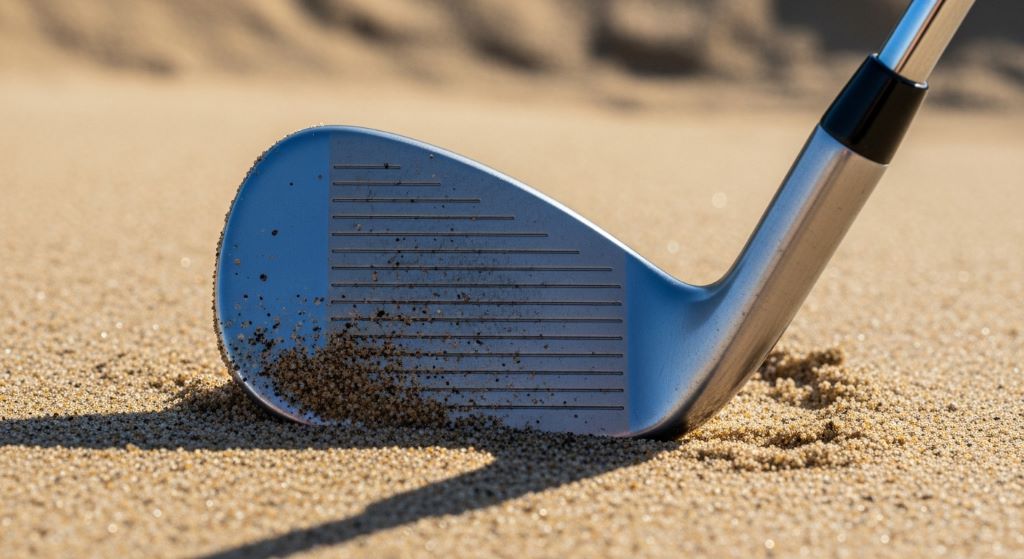
A sand wedge is not like your other irons or wedges. It was specifically designed for bunker play. The most important feature is the sole of the club, which is wider and more angled than other wedges.
This design creates what golfers call “bounce.” Bounce refers to the angle between the leading edge and the lowest point of the sole. When the club hits the sand, the sole skips through instead of digging in. This is what makes escaping bunkers feel smooth rather than jarring. Without the right amount of sand wedge bounce, even a perfect swing can lead to a chunked or bladed shot.
Understanding bounce is the first step toward making a smart wedge choice.
Understanding Sand Wedge Bounce
Bounce is measured in degrees. Most sand wedges fall somewhere between 10 and 16 degrees of bounce. The right amount depends on several factors.
First, consider the type of sand at your home course. Fluffy, soft sand needs more bounce. The club needs to glide through the loose material without sinking too deep. Firmer or more compact sand, on the other hand, works better with a lower bounce angle. A high-bounce wedge in firm sand can cause the club to skid and skull the ball over the green.
Second, think about your swing style. Golfers who take shallow divots through impact tend to do well with higher bounce. Those with a steeper, more aggressive swing often prefer medium to low bounce. Your local club fitter or pro can help you identify your swing style if you are unsure.
Additionally, the width of the sole also plays a role. A wider sole increases the effective bounce, even if the degree number seems the same. Narrow soles are more versatile but demand more precision.
Loft: Getting the Ball Up and Out
Loft determines how high the ball launches out of the bunker. Most sand wedges carry between 54 and 58 degrees of loft. A 56-degree wedge is by far the most common choice and works well in most situations.
However, if you tend to face deep greenside bunkers with steep faces, a 58-degree or even 60-degree wedge gives you more height. The tradeoff is less distance control on longer bunker shots. Therefore, if you often need to carry the ball 20 to 40 yards from the sand, a 54 or 56-degree option gives you more reach without sacrificing too much elevation.
The Role of Groove Design
The grooves on your wedge affect spin. More spin gives you better control once the ball lands on the green. This matters less from bunkers than from tight lies in the fairway, because sand already reduces spin naturally.
Still, fresher grooves are always better. Over time, grooves wear down and lose their effectiveness. If your wedge is more than a few years old and you play regularly, the grooves may be significantly worn. Replacing the club or re-grooving it can make a noticeable difference in how the ball behaves after it lands.
Shaft and Grip Considerations
The shaft in your wedge affects feel and feedback. Most recreational golfers play wedges with steel shafts. Steel transmits more feedback through your hands. This helps you sense what the clubhead is doing through the sand.
Graphite shafts are lighter and can add swing speed. However, they tend to feel less precise for short shots. For bunker play especially, feel matters a great deal. Therefore, steel is the preferred choice for most golfers.
The grip is equally important. A worn grip reduces your ability to control the clubface through the sand. Replacing grips once a year, or more often if you play frequently, is a simple and affordable upgrade.
Matching the Wedge to Your Skill Level
Beginner and high-handicap golfers benefit from more forgiving designs. Look for wedges with a wider sole, higher bounce, and a slightly heavier head. These features make it easier to get the ball out, even on off-center strikes.
Intermediate and advanced players can use a more precise wedge with tighter tolerances. Lower bounce angles and thinner soles give skilled golfers more shot-shaping options. They can open or close the face more dramatically, which allows for flop shots and controlled bump-and-runs from the edges of bunkers.
Additionally, some manufacturers now offer adjustable sole grinds. These allow you to customize the shape of the sole to suit your swing. This is a premium option but can be worth the investment if you are serious about improving your short game.
Practical Bunker Shots Tips for Testing a New Wedge
Before committing to a new sand wedge, test it if at all possible. Many golf shops have practice facilities where you can hit a few shots. Pay attention to how the club feels when it enters the sand. Does it glide smoothly, or does it resist and dig?
Some useful bunker shots tips to keep in mind during testing include the following:
- Set up with the ball slightly forward in your stance.
- Open the face before you grip the club to increase the effective loft.
- Swing along your body line, not toward the target.
- Focus on entering the sand about two inches behind the ball.
- Follow through fully — stopping the swing in the sand is a common error.
If the club feels heavy or awkward through the sand, it may not be the right fit. A good sand wedge should feel like it does the work for you.
Budget vs. Premium Options
You do not need to spend a fortune to get a quality sand wedge. Mid-range wedges from reputable brands perform extremely well and offer excellent value. However, premium wedges often feature more sophisticated sole grinds, better groove technology, and higher-quality steel.
If you are on a budget, focus on getting the loft and bounce right first. A less expensive wedge with the correct specifications will outperform a premium club that is poorly matched to your game or your course conditions.
Wedge Selection: A Quick Checklist
Smart wedge selection comes down to these key factors:
- Loft between 54 and 58 degrees for most golfers
- Bounce between 10 and 14 degrees for average course conditions
- Wider sole for soft sand, narrower for firm sand
- Fresh, sharp grooves for better feel and spin
- Steel shaft for improved feedback
- Proper fit for your swing style and skill level
Going through this checklist before you buy saves you time and frustration. It also ensures you get a club that truly helps your game rather than just looking good in the bag.
Conclusion
Choosing the best sand wedge for bunker play is not a one-size-fits-all decision. The right club depends on the courses you play, the type of sand you face, your swing mechanics, and your skill level. Start by understanding bounce and how it interacts with sand conditions. Then match your loft to the types of bunker shots you most commonly face.
Pay attention to groove quality, shaft feel, and sole design. Test before you buy when possible. And remember that even a small adjustment in bounce or loft can lead to a noticeably better experience in the sand. With the right wedge in your hands, bunkers become far less intimidating and far more manageable.
Frequently Asked Questions
What loft is best for a sand wedge?
Most golfers do best with a 56-degree sand wedge. It offers a good balance of height and distance. Players who face very steep bunker faces may prefer 58 degrees.
How much bounce should a sand wedge have?
A bounce angle between 10 and 14 degrees suits most golfers and course conditions. Soft, fluffy sand calls for higher bounce. Firm sand works better with less bounce.
Can I use a lob wedge instead of a sand wedge in bunkers?
Yes, but it requires more precision. A lob wedge has less bounce and a thinner sole. It is better suited for experienced players who need extra height from greenside bunkers.
How often should I replace my sand wedge?
If you play regularly, consider replacing your sand wedge every two to three years. Worn grooves reduce spin and control, making bunker play harder than it needs to be.
Should I open the clubface in a bunker?
Opening the face is a standard technique. It increases the effective loft and exposes more of the sole’s bounce. This helps the club glide through the sand rather than dig in.
Related Topics:
How to Pack Surfboard Accessories for Surf Trips
Keep Kids Safe During Outdoor Sports: BOSONER Protective Equipment Review