
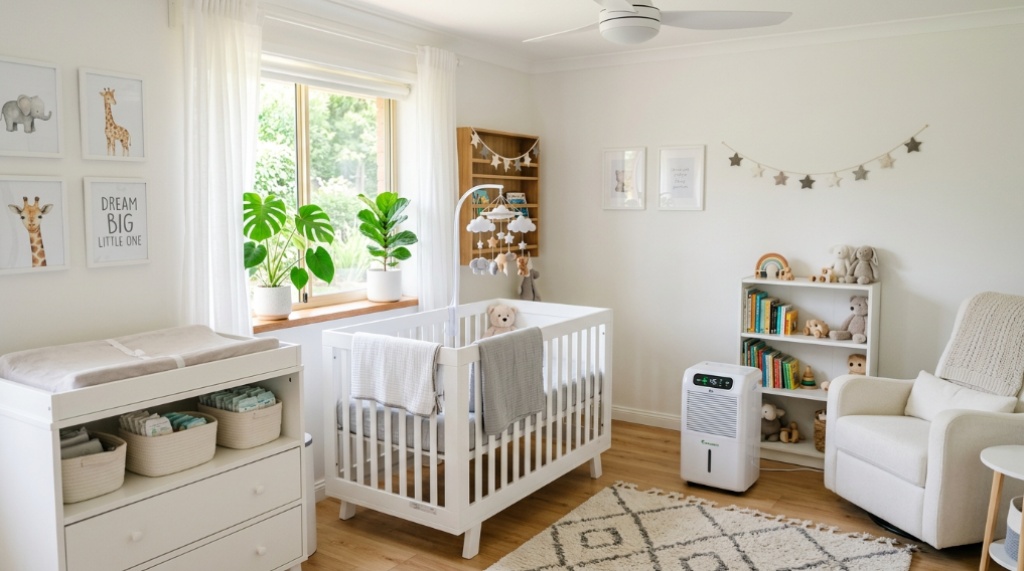
It’s 3 p.m. on a July afternoon in Tampa, and the nursery feels less like a cozy sanctuary and more like a sauna. The onesie that was fresh this morning now smells faintly sour, the diaper pail is working overtime, and every fabric surface feels slightly damp to the touch. If you live in Florida, this isn’t an occasional problem—it’s the baseline your nursery has to function in. Humidity creates a specific set of challenges for keeping baby gear and surfaces genuinely clean, not just tidy. That’s why any parent setting up a nursery here needs a plan that accounts for moisture, airflow, and the way dampness accelerates odor and bacterial growth. For the changing station specifically, a moisture-friendly surface is one of the first things worth getting right, and this guide to choosing a pad built for Florida conditions is a practical starting point before you build out the rest of the room.
Thank you for reading this post, don't forget to subscribe!Quick Answer
Keeping a Florida nursery hygienic comes down to controlling moisture rather than simply cleaning more often. Prioritize breathable fabrics, washable covers, airflow between surfaces and walls, and active dehumidification to keep indoor humidity roughly in the 40–50% range. Avoid wall-to-wall carpeting, vinyl mattress covers that trap sweat, and closed bins that hold damp air. Daily airing, frequent fabric rotation, and targeted mold checks around windows and under furniture matter more here than in drier climates.
Key Takeaways
- Florida’s year-round humidity turns ordinary nursery routines—like leaving a damp burp cloth in a hamper—into odor and mold problems faster than most parents expect.
- Aim for indoor humidity around 40–50%; anything consistently above 60% invites mildew on fabrics, wood, and window frames.
- Breathable, removable, machine-washable covers beat wipeable non-porous surfaces for most of the nursery, while the changing pad is the one spot where a moisture-resistant core genuinely helps.
- Placement matters as much as products: keep furniture a few inches off exterior walls and away from AC vents that create condensation.
- Check hidden zones—behind the crib, under the mattress, inside diaper pails, and along window sills—because that’s where mold actually starts in Florida homes.
Why Florida Humidity Changes the Rules
In most of the country, humidity is a seasonal annoyance. In Florida, outdoor relative humidity often sits between 70% and 90% for large parts of the year, and that moisture follows you inside. Every time a door opens, every shower, every load of laundry adds to the indoor moisture load. When indoor humidity climbs above roughly 60%, mold spores that are always present in the air can settle and grow on damp surfaces within a day or two—sometimes faster on porous materials like fabric and untreated wood.
For a nursery, this matters because babies create moisture constantly: spit-up, drool, spilled milk, wet diapers, sweaty naps. In a dry climate, those small damp patches dry out on their own. In Florida, they often don’t, especially in a closed room with the AC cycling on and off. The practical result is that hygiene in a Florida nursery is less about scrubbing and more about making sure moisture never has a place to sit.
Target the Right Indoor Humidity Level
Aim for 40–50% relative humidity in the nursery. That range is comfortable for a baby’s breathing and skin, and it’s low enough to discourage mold growth on most household surfaces. Below 40% can dry out nasal passages and trigger irritation; above 60% is where mildew problems start compounding.
A cheap hygrometer—often under $15—gives you a real number instead of guessing. Place it at crib height, not near a window or vent, so it reflects what your baby actually experiences. If the reading sits above 55–60% during Florida’s wet season, you have three levers to pull:
- Run a dehumidifier in or near the nursery. A small compressor or desiccant unit can pull several pints of water per day out of a closed room.
- Keep the AC fan set to “auto” rather than “on” if your system allows it—continuous fan circulation can re-humidify air as it passes over a wet evaporator coil.
- Use the bathroom exhaust fan during and after baths, and keep the nursery door open when the room is unoccupied so humid air doesn’t stagnate.
If you have a whole-home dehumidifier or a newer HVAC system with humidity control, you already have the single most effective tool. For everyone else, a standalone unit in the nursery is the closest thing to a fix.
Choose Materials That Can Actually Dry
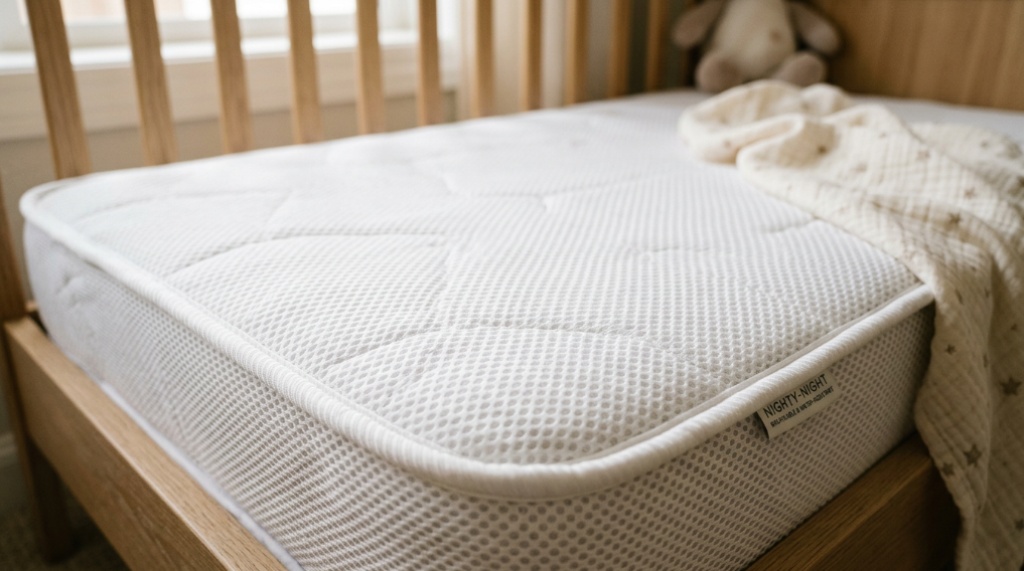
In a humid climate, the material of an item matters as much as how often you clean it. The general rule: porous items that dry quickly are easier to keep hygienic than non-porous items that trap moisture underneath.
Here’s how common nursery materials compare in Florida:
| Material type | Behavior in Florida humidity | Practical verdict |
|---|---|---|
| Cotton and bamboo muslin | Breathes well, dries fast in a dryer or with airflow | Excellent for sheets, swaddles, and covers |
| Polyester blends | Dries quickly but can trap heat and sweat against skin | Fine for waterproof layers, less ideal as a primary fabric |
| Memory foam mattresses and pads | Retains warmth and moisture; slow to air out | Workable, but needs a breathable cover and regular airing |
| Firm foam or innerspring crib mattresses | Air circulates better; less trapped moisture | A safer, easier-drying choice in humid rooms |
| Untreated wood furniture | Absorbs ambient moisture; can swell or grow surface mold | Seal or use as-is only in well-dehumidified rooms |
| Vinyl or non-porous covers | Wipeable, but sweat and condensation pool on the surface | Use only where a waterproof barrier is essential |
For the crib, choose a firm mattress with a removable, washable cover and skip the thick mattress pad if it isn’t breathable. For the changing area, a pad with a moisture-resistant core and a soft, removable top layer gives you the wipe-down convenience of vinyl without leaving the baby lying in a puddle of sweat. The combination—barrier underneath, breathable fabric on top—is what actually works in a humid room.
Set Up Airflow Before You Buy Anything Else
Air movement is the cheapest hygiene tool in a Florida nursery. Stagnant air lets moisture settle on surfaces; moving air carries it away. Before you spend money on gadgets, fix the airflow:
- Pull furniture at least two to three inches away from exterior walls. This gap lets air move behind the crib and dresser, where condensation and mold otherwise start.
- Keep the crib out of the direct path of an AC vent. Cold air blowing onto a warm mattress creates condensation on the underside.
- Run a small oscillating fan on low, aimed at a wall or ceiling rather than directly at the crib. Indirect circulation keeps air moving without chilling the baby.
- Open the nursery door for at least an hour a day during cooler parts of the morning, and use a ceiling fan on low if you have one.
- Leave the closet door cracked. Closed closets in Florida nurseries are common mold sites because they trap damp air against cool walls.
If your nursery has a window that faces afternoon sun, consider a light-blocking curtain you can open during the day. Sunlight and warmth help dry out surfaces that would otherwise stay damp.
A Realistic Daily and Weekly Routine
Hygiene in a humid nursery isn’t about deep cleaning every day—it’s about not letting moisture accumulate. A workable routine looks like this:
Daily: Strip the crib sheet if there’s any spit-up or drool, and let the mattress air for 15 minutes before putting on a fresh sheet. Empty the diaper pail, not just the bag, and leave the lid open for a few minutes to dry. Wipe down the changing pad with a mild, baby-safe cleaner and let it air-dry fully rather than covering it immediately.
Every two to three days: Swap out the changing pad cover, crib sheet, and any burp cloths or lovies that have been in regular contact with the baby. In Florida, a “clean” fabric item left in a closed hamper can start to smell sour within a day.
Weekly: Pull the crib mattress off the frame briefly and check underneath for condensation or spots. Wipe window sills and the tracks with a diluted vinegar solution. Check behind the dresser and in the closet corners with a flashlight. Run a dehumidifier or open the room to dry it thoroughly.
Monthly: Wash the diaper pail interior, inspect the underside of the changing pad, and check any plush toys or fabric bins that have been sitting in the room. Anything that smells musty needs to be washed or removed.
Watch These Problem Zones Specifically
Some spots in a Florida nursery fail before others. Check them first:
- Under the crib mattress: condensation forms between the mattress and the frame, especially if the mattress has a non-breathable bottom.
- Window sills and frames: the first place mold appears in most humid homes, because warm indoor air meets cooler glass.
- Inside the diaper pail: even with a sealed design, the interior stays damp and warm. Wipe it out, don’t just change the bag.
- Behind and under furniture: air doesn’t move there, so moisture lingers.
- Fabric bins and baskets: they look tidy but trap humidity against the items inside.
- Stuffed animals and lovies: these absorb drool and sweat and are rarely washed. Rotate them and wash the ones in regular use.
If you see small dark spots on grout, window frames, or the underside of furniture, treat them early with a diluted vinegar solution or a baby-safe mold cleaner, and address the underlying moisture source. Small spots become large colonies quickly in Florida, To streamline your daily routine while keeping your baby’s feeding gear spotless, check out our guide on how to save time with a baby bottle washer nyc.
What Doesn’t Work (and Why Parents Try It Anyway)
Some common nursery hygiene habits actually backfire in a humid climate:
- Overusing disinfecting wipes on every surface: they leave a thin film of moisture that doesn’t evaporate well in humid air and can irritate a baby’s skin or airway.
- Sealing the room up to “keep the AC in”: closing doors and windows traps moisture inside. Air exchange matters more than temperature retention.
- Choosing all-vinyl or plastic surfaces for “easy cleaning”: they wipe down fast but trap sweat and condensation, which is worse for skin and for mold underneath.
- Relying on scented air fresheners or plug-ins: they mask odor without removing moisture, and many contain volatile compounds that aren’t ideal around infants.
- Leaving damp items in a hamper “until laundry day”: in Florida, that’s two days, not a week. Damp fabric in a closed hamper is one of the fastest routes to a musty nursery.
Frequently Asked Questions
How often should I wash crib sheets in Florida?
At minimum once a week, and immediately any time there’s spit-up, drool, or sweat on them. In humid months, washing every three to four days during active teething or illness is reasonable. Damp fabric left in place for days is the most common source of musty odor in Florida nurseries.
Is a dehumidifier safe to run in a baby’s room?
Yes, when used correctly. Choose a unit with an automatic shutoff and a target humidity setting, keep it a few feet from the crib, and aim for 40–50% relative humidity. Empty and dry the water tank regularly so it doesn’t become a mold reservoir itself.
Do I need a waterproof changing pad cover in Florida?
A waterproof layer under a soft, washable cover is the most practical setup. The waterproof core prevents moisture from soaking into the pad itself, while the removable cover keeps the baby off a non-breathable surface. Replace the cover every couple of days.
What’s the best flooring for a humid nursery?
Hard flooring—luxury vinyl, tile, or sealed wood—is easier to keep dry than wall-to-wall carpet. If you want softness, use a washable area rug that can be aired out or laundered, rather than wall-to-wall carpet that traps moisture and dust.
How can I tell if there’s mold in the nursery?
Look for a persistent musty smell, dark speckling on window frames, grout, or furniture undersides, and any discoloration on fabric that doesn’t wash out. If you can smell mustiness but can’t see the source, check behind furniture, inside closets, and under the crib mattress.
Should I run a fan or the AC at night?
A ceiling fan on low or a small oscillating fan set to indirect airflow keeps air moving without chilling the baby. Keep the AC on its normal setting and let it cycle; a continuous fan setting can actually reintroduce moisture from the evaporator coil.
Conclusion
Keeping a Florida nursery hygienic isn’t about cleaning more—it’s about controlling moisture before it becomes a problem. Target 40–50% indoor humidity, choose breathable fabrics with removable covers, keep furniture off the walls, and build a simple rotation routine that gets damp items out of the room quickly. The changing station, crib, and diaper pail deserve the most attention because they combine warmth, moisture, and frequent use. Get those three right, and the rest of the room becomes far easier to manage through Florida’s long, humid seasons.