
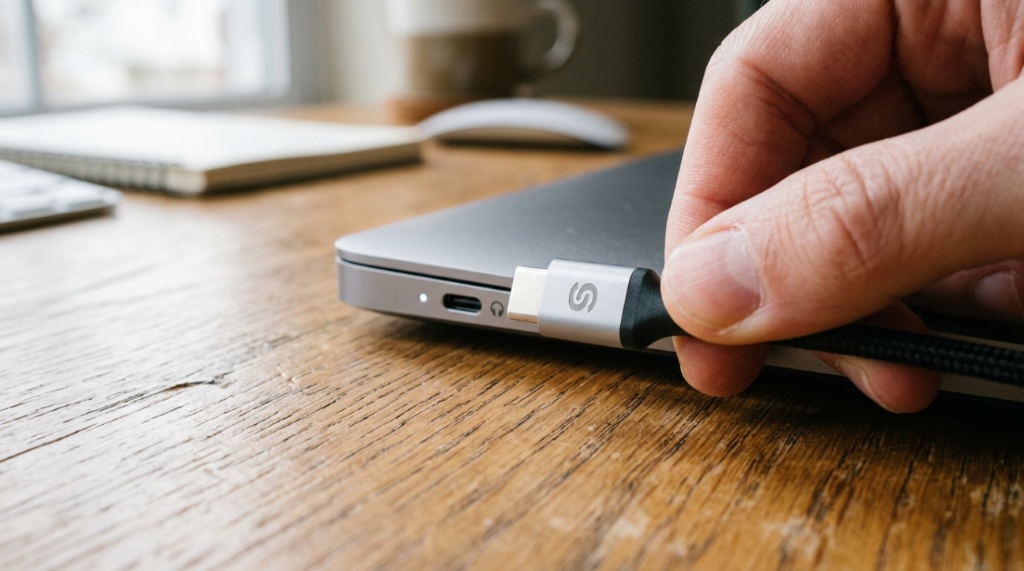
Remote work in California comes with its own set of challenges—noise from neighbors, thin apartment walls, and back-to-back Zoom calls that demand clear audio. If you’ve been struggling with dongles, battery anxiety, or poor microphone quality, USB-C headphones might be the practical upgrade you need. This guide walks through exactly how to choose the right pair for your work-from-home setup in CA, what to look for, and what to avoid.
Thank you for reading this post, don't forget to subscribe!Key Takeaways
- USB-C headphones eliminate the need for dongles and separate charging cables, making them ideal for laptops and Android devices used in remote work.
- California’s strict privacy laws and workplace regulations mean understanding audio quality and microphone performance matters just as much as comfort for long shifts.
- Not all USB-C headphones are created equal—check for DAC compatibility, driver size, and mic quality before buying.
- Battery-free options (passive USB-C) are often more reliable for all-day remote work than Bluetooth models that need recharging.
- Buying from reputable California-based or national retailers with flexible return policies is safer, especially if you’re unsure about fit and sound preferences.
Why USB-C Headphones Make Sense for Remote Work
USB-C headphones connect directly to your laptop, tablet, or phone through the USB-C port. Unlike traditional 3.5mm jack headphones, they don’t need a separate audio interface, and unlike Bluetooth, they don’t rely on battery power or pairing. That’s a huge advantage when you’re hopping between meetings, taking calls, and switching from your laptop to your smartphone throughout the workday.
For remote workers in California, where many people work from apartments, coffee shops, or coworking spaces, USB-C headphones offer a dependable connection that won’t drop mid-conversation. They also simplify your workspace because you’re removing the need for a USB-C dongle that often gets misplaced or broken.
Another benefit is digital signal processing. USB-C headphones bypass your laptop’s built-in audio hardware and handle the digital-to-analog conversion internally. This often results in clearer sound, better noise isolation, and a more consistent audio profile across devices. In my experience, even budget USB-C headphones tend to sound more balanced than similarly priced analog ones.
If you’re looking for specific models that work well in California’s remote work environment, you might want to check out this resource on USB C headphones for remote work CA. It covers several options with different price points and features, which can save you time during your research.
What to Look For in USB-C Headphones for Remote Work
Not every USB-C headphone is suitable for a work environment. You’ll need to evaluate your priorities before making a purchase. The main factors are comfort, microphone quality, sound performance, compatibility, and durability.
Microphone Quality Matters Most for Calls
During remote work, the people on the other end of your calls judge your audio quality based on your microphone, not your headphones’ sound output. If your mic picks up background noise or sounds muffled, you’ll appear unprofessional, even if your headphones deliver great music playback.
Look for USB-C headphones with noise-cancelling microphones. These use multiple mics and digital processing to suppress ambient sounds like air conditioners, street traffic, or office chatter. Some models have a boom mic that sits closer to your mouth, which usually delivers better voice clarity than inline mics.
Pay attention to microphone frequency response. A mic that captures frequencies between 100 Hz and 10 kHz is generally sufficient for speech. Anything more limited may sound thin or distant.
Comfort for Extended Wear
Remote workers often wear headphones for six to ten hours a day. That means comfort is non-negotiable. Look for lightweight designs with plush ear cushions and an adjustable headband. Over-ear models tend to be more comfortable for long stretches than on-ear models because they don’t press directly against your ears.
If you wear glasses, pay attention to clamp force. A strong clamp can cause pain behind your ears. Try to find models that are known for a relaxed fit, or read reviews from other glasses wearers before committing, For your weekend travels after clocking out, pack your essentials in the Perfect Weekender Duffel Bag for Quick Getaways.
Sound Quality for Focus and Entertainment
While music enjoyment isn’t strictly a work requirement, good sound quality helps you stay focused. Neutral sound signatures are better for editing audio or participating in video calls, while a slightly warm or bass-heavy profile can make music more enjoyable during breaks.
Driver size typically ranges from 10mm to 50mm. Larger drivers generally produce more powerful bass, but the quality of the tuning matters more than raw size. Look for models that emphasize clarity in the mid-range, which is where voices sit.
Compatibility with Your Devices
Most USB-C headphones work with any device that has a USB-C port, including MacBooks, Windows laptops, Android phones, and tablets. However, some models are optimized for specific operating systems. For instance, certain headphones have support buttons that only function fully on Android devices.
Check whether the headphones support audio over USB-C only, or if they also include a 3.5mm cable as a backup. Having a fallback option is useful if you need to connect to older hardware or an external audio interface.
Wired vs. Wireless USB-C Headphones: Trade-offs to Consider

One of the first decisions you’ll make is whether to choose wired USB-C headphones or wireless ones that use USB-C for charging. Both have pros and cons depending on your workflow.
Wired USB-C headphones draw power from your device, so you never have to worry about running out of battery. They’re lighter because they don’t include a battery, and they’re often cheaper. The main drawback is the cable, which can limit movement if you like to step away from your desk during calls.
Wireless USB-C headphones give you freedom to move around your home office, grab a coffee, or pace during long meetings. They typically connect via Bluetooth and can also be used wired through the USB-C port. The downside is battery anxiety—you’ll need to charge them regularly, and if they die mid-call, you’re stuck.
For full-time remote workers, I generally recommend wired USB-C headphones because they’re more reliable. You never lose connection, and you never have to remember to charge them. If you need to move around frequently, wireless models from brands like Sony or Jabra with USB-C charging can work well, but expect to spend more for decent battery life.
| Feature | Wired USB-C Headphones | Wireless USB-C Headphones |
|---|---|---|
| Battery requirement | None | Internal battery, rechargeable via USB-C |
| Latency | Low, no noticeable lag | Slight delay possible, especially with older Bluetooth codecs |
| Price range | Usually lower | Usually higher |
| Best for | Desk work, long meetings | Moving around, hybrid work, multitasking |
| Risk of connection loss | Very low | Moderate, depends on environment |
How to Check if Your Laptop or Phone Supports USB-C Audio
Before buying anything, verify that your device supports USB-C audio output. Most modern laptops and Android phones do, but some older Windows PCs might not. Here’s how to check quickly.
First, look at your USB-C port. If it has a small headphone icon next to it, that indicates audio output is supported. If there’s no icon, that doesn’t necessarily rule it out—the icon is often omitted even when audio works.
Second, plug in your headphones and see if your operating system recognizes them as an audio device. On Windows, go to Settings > System > Sound and look for your headphones under “Output.” On macOS, go to System Preferences > Sound and check if your headphones appear as an output device.
Third, check your device manufacturer’s specifications online. Apple’s MacBooks and most flagship Android phones support USB-C audio natively. Some budget Windows laptops may only support data transfer, not audio. In that case, you’ll need a USB-C to USB-A adapter that carries both data and audio, or a different headphone type.
If you’re using a desktop PC with a dedicated sound card, USB-C headphones might bypass your sound card entirely. That’s fine for most people because the headphone’s internal DAC takes over, but it’s worth knowing if you’re an audiophile or use specialized audio software.
Common Mistakes When Buying USB-C Headphones for Remote Work
Many remote workers make avoidable mistakes when purchasing USB-C headphones. Understanding these pitfalls can save you time and money.
Ignoring microphone quality. You might spend hundreds on headphones with excellent sound but a terrible mic. Prioritize models that have clear microphones tested for voice calls. Read reviews from people who actually use them for Zoom or Teams meetings.
Assuming all USB-C cables are the same. Some cheaper headphones have non-replaceable cables. If the cable wears out, the entire headphone is useless. Look for models with detachable cables so you can replace them easily.
Overlooking ear pad replacement. Ear pads degrade over time, especially with daily use. If you can’t find replacement pads, the headphones may become uncomfortable within a year. Check whether third-party ear pads are available for the model you’re considering.
Choosing style over function. Sleek, minimalist designs look great but sometimes sacrifice durability. For remote work, a slightly bulkier headphone with a solid build will serve you better in the long run.
Not checking return policies. Online retailers in California often have 30-day return windows, but some restocking fees apply. If you’re not sure about comfort or sound, buy from a retailer with a generous return policy.
Best Practices for Setting Up USB-C Headphones in California
Test Your Headphones in a Real Meeting Environment
I recommend testing your new headphones in an actual video call, not just a recording app. The way audio is processed during live calls can differ from recordings. Ask a colleague to confirm that you sound clear and that there’s no echo or background noise leaking through.
Adjust Your Operating System Settings
Once connected, check your audio input and output levels. Set your input volume between 80% and 95% to avoid clipping. On both Windows and macOS, you can adjust these settings in the sound control panel. Ensure your headset is selected as both the default input and output device.
Invest in a USB-C Hub if Needed
If you’re using a laptop with only one USB-C port, and you also need to charge or connect a display, a USB-C hub is a wise investment. Choose a hub that supports audio pass-through to avoid losing sound quality. Some hubs handle audio poorly, so read reviews before purchasing.
Keep Your Headphones Clean
Ear pads and headbands accumulate oils, dust, and hair. Wipe them down weekly with a microfiber cloth. If the ear pads are removable, wash them every couple of months with mild soap and water. Regular cleaning extends the life of your headphones and keeps them hygienic.
Frequently Asked Questions
Are USB-C headphones better than Bluetooth for remote work?
For stationary work at a desk, USB-C headphones are generally more reliable because they don’t rely on battery power or wireless pairing. They also tend to have better microphone performance and lower audio latency, which is important for live calls. Bluetooth headphones are better if you need to move around frequently, but you’ll need to manage charging.
Can I use USB-C headphones with an iPhone?
Yes, if you have an iPhone 15 or later with a USB-C port, you can use USB-C headphones directly. For older iPhones with Lightning ports, you’ll need an adapter. Some adapters do not support microphone input, so check compatibility before relying on them for calls.
Do USB-C headphones need a DAC?
No, USB-C headphones have a built-in DAC (digital-to-analog converter). That’s what allows them to convert the digital audio signal from your device into sound. This is one of their advantages over analog headphones, which rely on the audio hardware in your device.
Why do my USB-C headphones sound muffled on my laptop?
Muffled sound often indicates that your laptop is using the wrong audio driver or output format. Go to your sound settings and make sure the output format is set to 48000 Hz or 96000 Hz, not telephone quality. If the issue persists, try a different USB-C port or reboot your system.
Can I use USB-C headphones while charging my laptop?
Yes, you can plug USB-C headphones into one port while your charger is in another. However, if your laptop has only one USB-C port and you need to charge simultaneously, you’ll need a hub that supports power delivery and audio pass-through at the same time.
Are expensive USB-C headphones worth it for remote work?
Not always. Expensive models often offer better build quality and sound, but for everyday meetings, a mid-range pair with a good microphone and decent comfort is usually sufficient. Focus on the features that affect your daily work: microphone clarity, comfort, and reliability.
Conclusion
Choosing the right USB-C headphones for remote work in California doesn’t have to be complicated. Start by assessing your daily routine: if you spend hours in meetings, prioritize a quality microphone and comfortable ear cushions. If you value a clean desk setup, wired USB-C headphones remove the hassle of charging. If you move around, wireless models with USB-C charging offer flexibility. Whatever you decide, make sure the headphones are compatible with your devices, check the return policy, and test them in real call conditions. With the right pair, you’ll notice clearer conversations, fewer technical hiccups, and a more comfortable workday.