
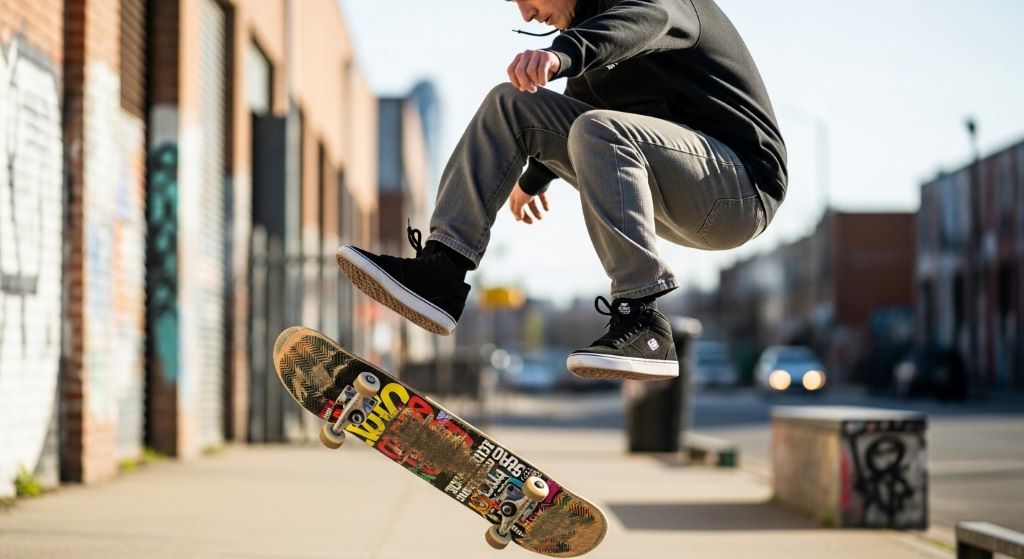
Street skating demands precision, control, and confidence in every move you make. Your shoes serve as the crucial connection between your feet and the board. Choosing the right pair can dramatically improve your performance and keep you safe during intense sessions. This guide will help you understand what makes great skate shoes and how to find the perfect pair for your skating style.
Thank you for reading this post, don't forget to subscribe!Understanding Grip in Skate Shoes
Grip refers to how well your shoes stick to the griptape on your skateboard deck. Good grip gives you better board control and helps you land tricks consistently. However, too much grip can make it hard to adjust your foot position quickly. Finding the right balance is essential for street skating success.
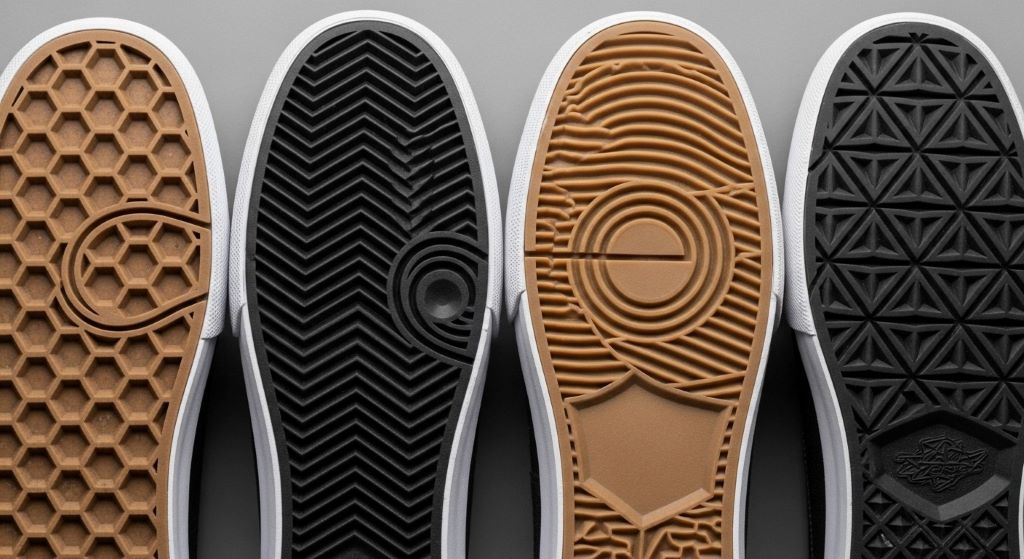
The rubber compound on your shoe’s bottom plays a major role in grip performance. Softer rubber generally provides better initial grip but wears down faster. Harder rubber lasts longer but might feel slippery when new. Most quality skate shoes use specially formulated rubber that balances durability with traction.
The Sole Construction Debate
When shopping for skate shoes, you’ll encounter two main construction types. Each offers distinct advantages depending on your skating preferences and style.
Vulcanized sole shoes feature a manufacturing process where the sole gets baked onto the upper part of the shoe. This creates a thin, flexible connection that many street skaters prefer. The construction allows excellent board feel, meaning you can sense exactly where your feet are positioned on the deck. Additionally, this style tends to break in quickly and feels comfortable from day one.
On the other hand, cupsole skate shoes use a different approach. The sole gets pre-molded separately, then attached to the upper section. This method creates a thicker, more cushioned platform under your feet. Therefore, these shoes provide superior impact protection when landing big gaps or skating down stairs.
Factors Beyond Sole Type
While sole construction matters greatly, other elements contribute to overall grip performance. The tread pattern on your shoe’s bottom affects how well it grabs the griptape. Deeper grooves and more complex patterns generally offer better traction. However, they also collect more dirt and debris, which can reduce grip over time.
The shape of your shoe also influences performance. A flatter sole profile creates more surface area contact with your board. This typically translates to improved stability and control. Conversely, shoes with more curvature might feel less stable but allow easier foot movement.
Evaluating Your Skating Style
Your personal skating approach should guide your shoe selection. Street skaters who focus on technical flip tricks often prefer thinner soles that maximize board feel. The direct connection helps them execute complex foot movements with precision. Furthermore, lighter shoes don’t tire your feet as quickly during long sessions.
Skaters who tackle bigger obstacles like handrails and large stair sets benefit from extra cushioning. Impact protection becomes crucial when your body absorbs the force of hard landings repeatedly. Additionally, reinforced construction in high-wear areas extends shoe life when skating aggressive terrain.
Material Considerations for Durability
The upper material significantly affects how long your shoes last. Suede remains the gold standard for skate shoes because it resists abrasion well. Canvas offers a lighter, more breathable option but tears more easily when you’re constantly flicking your board. Leather provides excellent durability but can feel stiff initially.
Many modern skate shoes combine multiple materials strategically. They place tough suede in high-wear zones like the ollie area while using mesh panels for breathability. This smart design extends shoe life without sacrificing comfort. Moreover, some brands incorporate extra layers or patches in areas that contact griptape most frequently.
Breaking In Your New Shoes
Even the best skate shoes need time to conform to your feet. New shoes often feel stiff and might not grip optimally right away. Skating them for a few sessions allows the materials to soften and mold to your foot shape. However, don’t let this break-in period discourage you from trying different brands or models.
Some skaters speed up the process by wearing their shoes around the house or during casual activities. This gradually softens the materials without exposing them to the harsh abrasion of skating. Additionally, this approach helps identify any uncomfortable pressure points before you commit to skating in them.
Fit and Comfort Essentials
Proper fit directly impacts your skating performance and safety. Shoes that are too loose allow your feet to slide around inside, reducing control and potentially causing blisters. Conversely, overly tight shoes restrict blood flow and create painful pressure points during extended sessions.
When trying on skate shoes, wear the same socks you plan to skate in. Walk around the store and try to replicate skating movements if possible. Your toes should have slight wiggle room, but your heel shouldn’t lift when you walk. Furthermore, pay attention to width, as brands vary considerably in their sizing.
Arch Support and Insole Quality
Many skaters overlook the importance of proper arch support. Good insoles distribute pressure evenly across your foot and reduce fatigue during long sessions. They also provide shock absorption that complements your shoe’s cushioning system. Therefore, investing in quality aftermarket insoles can dramatically improve comfort.
Some skate shoes come with removable insoles, allowing you to customize support based on your needs. Skaters with flat feet might need additional arch support, while those with high arches benefit from more neutral insoles. Additionally, replacing worn insoles breathes new life into shoes that still have plenty of outsole left.
Seasonal and Weather Factors
Weather conditions in your area should influence your shoe choice. Wet conditions demand shoes with better water resistance and drainage. Some models feature water-resistant coatings or treated materials that repel moisture. However, these treatments often reduce breathability, which can be uncomfortable in hot weather.
Summer skating benefits from lighter, more breathable shoes that keep your feet cool. Mesh panels and perforations allow air circulation, preventing excessive sweating. Conversely, winter skating might require thicker shoes with better insulation, though this can reduce board feel slightly.
Price Versus Performance Balance
Quality skate shoes represent an investment in your performance and safety. However, you don’t always need the most expensive model to get excellent grip and durability. Mid-range options from reputable skate brands often perform nearly as well as premium models. Therefore, consider your budget realistically while prioritizing essential features.
Sales and clearance deals can help you afford higher-quality shoes at reasonable prices. Many shops discount previous season’s colors or styles significantly. The performance remains identical even though the aesthetic might not be the latest trend. Additionally, buying multiple pairs during sales ensures you always have backup shoes ready.
Brand Reputation and Technology
Established skate shoe brands invest heavily in research and development. They test their products with professional skaters and incorporate feedback into new designs. This dedication to improvement means their shoes often feature innovations that enhance grip and durability. Moreover, reputable brands typically stand behind their products with reasonable warranty policies.
However, some smaller or newer brands offer excellent value and performance. They might use similar construction methods and materials while charging less due to lower marketing costs. Reading reviews from other skaters and trying shoes yourself remains the best way to evaluate any brand.
Testing Shoes Before Committing
Whenever possible, test shoes before making a final decision. Many skate shops allow you to feel how shoes flex and examine their construction closely. Some stores even have small ramps or platforms where you can simulate skating movements. This hands-on evaluation reveals much more than online shopping can provide.
If you must shop online, ensure the retailer has a good return policy. This safety net allows you to try shoes at home and return them if they don’t meet your expectations. Additionally, reading detailed customer reviews helps you understand how shoes perform in real skating situations.
Maintaining Your Skate Shoes
Proper care extends the life of your shoes significantly. Cleaning them regularly removes dirt and debris that can wear down materials faster. Use a soft brush and mild soap to clean the uppers gently. Avoid submerging shoes completely in water, as this can break down adhesives and damage internal structures.
Rotating between two pairs of shoes gives each pair time to dry and decompress between sessions. This simple practice can nearly double the lifespan of your footwear. Furthermore, addressing minor damage quickly prevents small tears from becoming major problems that render shoes unusable.
Recognizing When to Replace Shoes
Knowing when to retire shoes protects you from injury and performance decline. Worn-out soles provide poor grip and can cause your foot to slip off the board unexpectedly. Similarly, shoes with holes in critical areas offer inadequate protection and support. Therefore, monitor your shoes regularly and replace them before they become hazardous.
Some skaters continue wearing heavily worn shoes for casual skating while using newer pairs for serious sessions. This approach maximizes value from each pair. However, never compromise safety by skating in shoes that have lost their structural integrity or protective capabilities.
Conclusion
Selecting the right skate shoes for street skating involves balancing multiple factors. Understanding the difference between vulcanized sole shoes and cupsole skate shoes helps you match construction to your skating style. Consider your specific needs regarding board feel, impact protection, and durability when making your choice.
Remember that proper fit, quality materials, and suitable grip characteristics matter more than brand hype or trendy designs. Take time to test different options and don’t rush your decision. The right shoes enhance your performance, protect your feet, and make skating more enjoyable. Therefore, invest wisely in footwear that supports your progression and keeps you skating comfortably for many sessions to come.
Frequently Asked Questions
How long should quality skate shoes last?
Shoe lifespan varies greatly depending on skating frequency and style. Casual skaters might get six months to a year from one pair. However, daily street skaters who perform many flip tricks might wear through shoes in just a few weeks. Proper maintenance and rotation between multiple pairs extends durability significantly.
Should beginners choose different shoes than advanced skaters?
Beginners benefit from durable shoes with good cushioning to protect their feet during the learning process. Advanced skaters often prefer thinner soles for better board feel and control. However, personal preference matters more than skill level, so choose shoes that feel comfortable and match your skating goals.
Can regular sneakers work for street skating?
Regular sneakers lack the specialized construction that skate shoes provide. They wear out extremely fast when exposed to griptape abrasion. Additionally, they don’t offer the same grip, board feel, or protection that proper skate shoes deliver. Investing in actual skate shoes saves money long-term and improves your skating experience.
How do I know if my shoes fit properly for skating?
Properly fitted skate shoes feel snug but not painfully tight. Your toes should have minimal movement, and your heel shouldn’t slip when walking. Try skating movements in the store if possible. Shoes that feel comfortable standing might reveal problems when you simulate skating motions.
Does shoe color affect performance or durability?
Color itself doesn’t impact performance or durability directly. However, lighter colors show dirt and wear marks more visibly than darker shades. Some skaters prefer darker shoes for this reason. Focus on construction quality and materials rather than aesthetics when prioritizing durability and performance.
Related Topics:
Shredding Green: A Texas Skater’s Guide to Sustainable Skateboarding
How to Stop on a Skateboard: Mastering the Art of Speed Control