
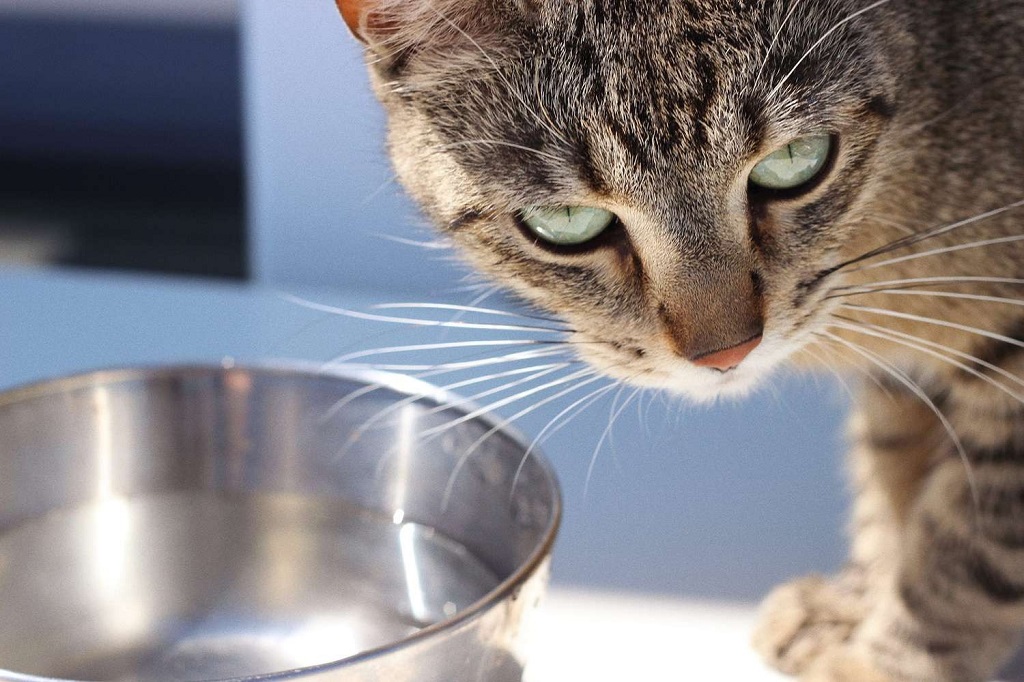
Cats are known for being independent, but when it comes to hydration, they rely on us more than you might think. Water is essential for every vital function in a cat’s body, from digestion to temperature regulation. Yet, many owners underestimate how quickly dehydration can become dangerous. Understanding how long a cat can go without water and how to keep them properly hydrated can literally save your cat’s life.
Thank you for reading this post, don't forget to subscribe!The Importance of Water for Cats
Water is crucial for maintaining your cat’s overall health. It helps regulate body temperature, aids digestion, and supports the kidneys in filtering waste from the blood. It also keeps joints lubricated and tissues healthy.
Unlike dogs, cats have a naturally low thirst drive because their ancestors evolved in desert environments. Wild cats often met their hydration needs by eating prey with high moisture content. Domestic cats, however, especially those on dry kibble diets, can easily fall short on water intake if owners don’t pay attention.
What Water Does for a Cat’s Body
- Maintains normal body temperature and circulation
- Supports digestion and nutrient absorption
- Flushes out toxins through urine
- Prevents constipation and urinary tract issues
- Lubricates joints and tissues
When cats don’t drink enough water, the kidneys and other organs have to work harder, which can lead to long-term damage — especially in older cats.
How Long Can a Cat Go Without Water?

In general, a healthy adult cat can survive about three to four days without water. However, health deterioration starts much sooner. After just 24 hours without water, your cat may begin to show signs of dehydration such as dry gums, lethargy, or reduced appetite.
Several factors influence how long a cat can safely go without drinking:
- Age and Health: Senior cats and those with kidney disease dehydrate faster.
- Activity Level: Active cats lose moisture through movement and play.
- Diet: Cats on wet food get extra moisture; those on dry kibble need to drink more.
- Climate: Warm, dry environments speed up water loss.
Even if your cat technically survives a few days without water, irreversible organ damage can begin within that period. That’s why veterinarians stress that hydration should never be taken lightly.
Vet Insight on Dehydration Timeline
| Time Without Water | Possible Effects on Cat |
|---|---|
| 12–24 hours | Reduced urination, mild lethargy, loss of appetite |
| 24–48 hours | Dry gums, sunken eyes, weak pulse, visible fatigue |
| 48–72 hours | Severe dehydration, potential kidney strain, confusion |
| 3–4 days+ | Organ failure and life-threatening dehydration |
Veterinary professionals caution that while a cat might physically survive a few days without water, the risks of permanent damage increase dramatically after 24 hours of dehydration.
Signs of Dehydration in Cats
Because cats are experts at hiding discomfort, dehydration can go unnoticed until it becomes serious. Watch for these common signs:
- Lethargy or unusual tiredness
- Dry or sticky gums
- Sunken eyes
- Loss of skin elasticity
- Reduced appetite or refusal to eat
- Panting or rapid breathing
How to Check Hydration at Home
You can perform a quick “skin tent test.” Gently pinch the loose skin at the back of your cat’s neck or between the shoulders. If the skin snaps back immediately, your cat is likely hydrated. If it returns slowly or stays tented, dehydration is likely and you should contact your veterinarian right away.
Common Reasons Cats Stop Drinking Water
It’s not always stubbornness. There are many reasons why a cat may suddenly stop drinking water:
- Health issues: Kidney disease, urinary tract infections, or dental pain can make drinking uncomfortable.
- Dirty water bowls: Cats are sensitive to smell and may avoid stale or contaminated water.
- Environmental stress: A new home, noise, or other pets may make your cat anxious.
- Preference for running water: Many cats instinctively prefer moving water, which feels fresher.
- Diet: Cats on dry kibble alone often don’t get enough moisture.
Identifying and addressing the underlying cause early can prevent dehydration from becoming a medical emergency.
How to Encourage Your Cat to Drink More Water
Getting your cat to drink more water often requires some trial and error. Here are several vet-recommended strategies:
- Use a cat water fountain: Many cats prefer running water because it mimics natural sources.
- Offer multiple bowls: Place water bowls in different quiet areas around your home.
- Keep it clean: Wash bowls daily and change the water often to keep it fresh.
- Add water to food: Mix a bit of warm water, tuna juice, or low-sodium chicken broth into meals.
- Switch bowl materials: Some cats dislike plastic bowls. Try ceramic, stainless steel, or glass.
- Monitor intake: Track how much your cat drinks daily to spot early changes.
Pro Tip
If your cat eats mainly dry kibble, try transitioning to wet or mixed feeding. Wet food can contain up to 70–80% water, significantly improving hydration levels.
When to See a Veterinarian
Contact your vet immediately if your cat:
- Hasn’t drunk water for more than 24 hours
- Shows signs of dehydration or lethargy
- Is vomiting or refusing food
- Has a known kidney or urinary condition
At the clinic, your vet may run diagnostic tests to check hydration, kidney function, and overall health. Treatments may include IV fluids, electrolytes, and adjusting your cat’s diet or medications.
Related Topic: Connection Between Emotional and Intellectual Health
Preventing Dehydration Long-Term
Prevention is always better than treatment. Maintaining good hydration habits is one of the easiest ways to keep your cat healthy and comfortable.
- Feed a balanced diet that includes wet food or added water.
- Provide constant access to clean, fresh water.
- Reduce environmental stress — cats drink more when they feel safe.
- Schedule regular vet checkups, especially for older cats.
- Monitor water bowls daily to ensure your cat’s drinking pattern stays consistent.
Key Takeaways
- Cats can survive about 3–4 days without water, but dehydration begins much sooner.
- Even mild dehydration can affect kidney and urinary health.
- Encourage water intake through fountains, wet food, and multiple clean bowls.
- If your cat hasn’t drunk water for 24 hours or shows signs of dehydration, contact your vet immediately.
Related Topic: Hempcrete Insulation Benefits for Home Addition
FAQs
Can cats get enough water from wet food alone?
Wet food provides a significant amount of moisture (up to 80%), which helps, but it may not be enough by itself. Always provide a fresh bowl of water alongside meals.
Is milk a good substitute for water?
No. Most adult cats are lactose intolerant, and milk can cause stomach upset or diarrhea. Stick to clean, fresh water as their main source of hydration.
Do older cats need more water?
Yes. Senior cats are more prone to kidney and urinary issues, so maintaining hydration is especially important. Encourage frequent, small drinks throughout the day.
How can I tell if my cat is drinking enough?
Monitor water bowl levels daily and note any changes in urination. A hydrated cat should have normal skin elasticity, moist gums, and regular energy levels.
What type of water is best for cats?
Filtered or tap water is usually fine as long as it’s clean and chlorine-free. Avoid distilled water, which lacks essential minerals.
Can dehydration lead to kidney problems?
Yes. Chronic dehydration puts stress on the kidneys and can lead to urinary tract diseases or kidney failure over time. Consistent hydration supports long-term organ health.
Should I add electrolytes to my cat’s water?
Only under veterinary supervision. Some electrolyte solutions are formulated for pets, but human products can be unsafe for cats.
Conclusion
Water is the simplest yet most overlooked part of a cat’s health. While a cat might survive a few days without it, the consequences can be severe and lasting. Make hydration a daily priority — clean bowls, fresh water, and moisture-rich food can go a long way in keeping your cat healthy, happy, and full of life.