
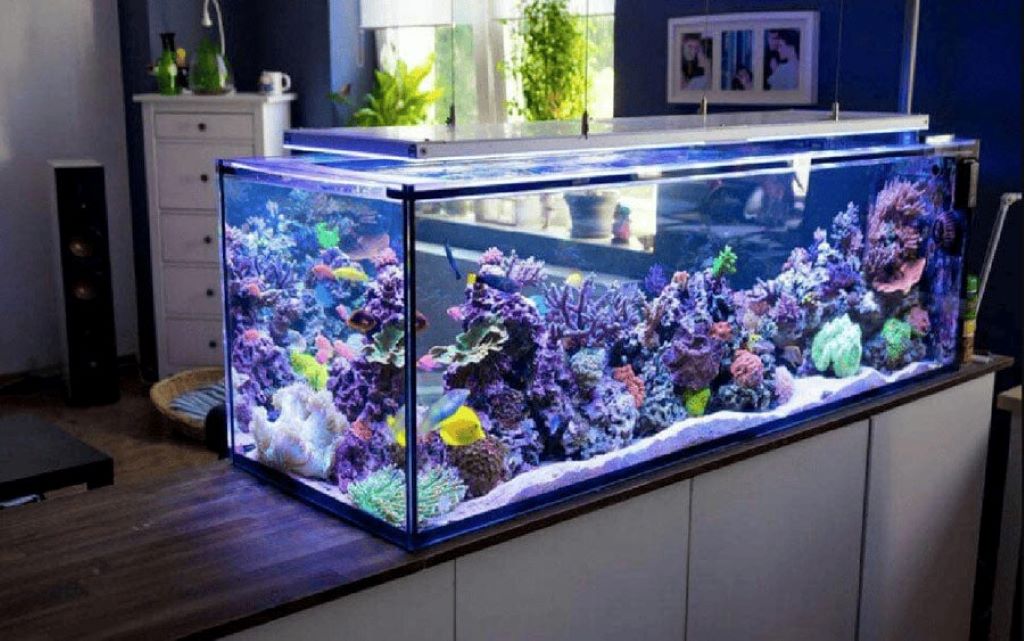
Decorating a reef aquarium isn’t just about aesthetics—it’s about the delicate balance of a thriving underwater ecosystem. While decorations can enhance your tank’s appeal, using the wrong ones can spell disaster for corals, fish, and invertebrates. This guide breaks down which decorations are reef-safe, which are toxic, and how to make informed decisions to protect your aquatic investment.
Thank you for reading this post, don't forget to subscribe!Why Decoration Choices Matter in a Reef Aquarium
Reef aquariums mimic natural coral reef environments. These systems rely on stable water chemistry, sensitive biological interactions, and carefully balanced lighting. Adding harmful materials can destabilize this balance, leading to coral bleaching, fish stress, or algae outbreaks.
According to the Marine Aquarium Council, up to 35% of reef tank failures are linked to improper tank materials, including unsafe decorations. So while that resin skull or brightly painted castle may look appealing, it could be leaching toxins into your water column.
Safe Decorations for Reef Aquariums
Some materials not only enhance beauty but also support biological filtration and reef health. Here’s what you can confidently place in your reef tank:
- Natural Live Rock:
Live rock remains the cornerstone of reef tank decor. It provides both biological filtration and essential habitat for beneficial bacteria. Sourced sustainably, it can also seed your tank with coralline algae and microfauna. - Reef-Safe Ceramic Structures:
Specially designed ceramic pieces, like those from brands such as Real Reef and MarcoRocks, are pH-neutral and porous. They support nitrifying bacteria and mimic natural rock shapes. - Marine Epoxy and Reef-Safe Adhesives:
These are essential when constructing rock formations or mounting coral frags. Avoid hardware store epoxies unless labeled aquarium-safe. - PVC and Acrylic Components:
In small amounts and when properly cleaned, these materials are inert and won’t affect water parameters. They’re often used in custom aquascapes or tunnels. - Sand and Aragonite Substrates:
Choose marine-specific substrates. Aragonite buffers pH and adds calcium, supporting coral skeleton growth.
Unsafe Decorations That Can Harm Your Reef Aquarium
A surprising number of popular aquarium decorations are unsafe for reef environments. Even some products labeled “aquarium-safe” can wreak havoc in saltwater setups.
- Painted or Dyed Ornaments:
Many decorations have vibrant paints or dyes that leach chemicals when submerged. These toxins harm corals and can kill invertebrates. Over time, paint flakes off and enters the filter system, disrupting water quality. - Metal Objects (Even Stainless Steel):
Saltwater is highly corrosive. Metals, including stainless steel, rust over time and release harmful ions like copper and zinc. These are particularly toxic to corals and shrimp. - Shells and Coral Skeletons from Unknown Sources:
While they look natural, many shells carry surface pollutants or were treated with chemicals to preserve their color. Some may also raise calcium levels beyond safe limits. - Plastic Plants and Toys:
Non-marine-grade plastics can degrade under intense aquarium lighting. This releases microplastics and additives into the water column. Unlike freshwater tanks, reef environments are much less forgiving. - Decorative Rocks from Craft Stores or Outside:
Rocks like limestone or lava rock may contain heavy metals or unwanted minerals. When added to a saltwater tank, they can drastically alter pH or release dangerous substances.
Expert Tip: Test Before You Decorate
When in doubt, soak new decorations in RO/DI water for a week. Test the water for ammonia, nitrates, phosphates, and heavy metals before placing them in your tank. This simple step can prevent catastrophic losses.
The Role of Biological Compatibility
What works in one reef tank may harm another. For example, soft corals and LPS corals are more tolerant to water fluctuations than SPS corals. A decoration that slightly leaches phosphate might be fine in a soft coral tank, but deadly in an SPS-dominated system.
Additionally, certain reef inhabitants interact with decor. Gobies and blennies dig, while shrimp may burrow under structures. Lightweight or unstable decorations can topple, crush corals, or injure fish.
Real-Life Example: The Painted Shipwreck Disaster
In 2023, a popular reef influencer on YouTube shared how a small, painted shipwreck led to a full tank crash. Despite being sold as “aquarium-safe,” the paint began to flake within three months. Phosphate levels soared, algae overtook the tank, and most corals bleached. After removal and a six-month recovery, only half the corals survived. This cautionary tale proves that even seemingly harmless decor can cause irreversible damage.
What the Experts Say
Veteran reef keepers agree: less is more. According to Reef Builders, using minimal but functional decor enhances flow and light penetration—both critical for coral health. Dr. Sanjay Joshi, a marine aquarist and professor, advises prioritizing biological compatibility over aesthetics. “Your reef is not a toy box,” he notes. “Every object should serve a purpose.”
Featured Snippet: What Decorations Are Safe for Reef Aquariums?
Safe decorations include natural live rock, reef-safe ceramic structures, marine epoxy, and properly cleaned PVC or acrylic. Avoid metal, painted ornaments, or non-aquarium plastics. Always check for reef compatibility before adding decor to protect water chemistry and coral health.
Professional Tip: Use dedicated aquascaping kits from trusted brands. These often undergo reef-specific testing and are pH-neutral.
FAQs: Safe and Unsafe Decorations for Reef Aquariums
- Can I use freshwater decorations in a reef tank?
No. Many freshwater decorations are painted or made from unsafe plastics that degrade in saltwater. - Are natural shells safe?
Only if they are cleaned and sourced responsibly. Many contain surface pollutants or may leach minerals. - What rocks are reef-safe?
Aragonite, dry rock from reef suppliers, and ceramic rock structures are safe. Avoid random outdoor stones. - Can decorations affect coral growth?
Yes. Unsafe materials may leach toxins or disrupt pH, stalling coral growth or causing bleaching. - Is it safe to add aquarium-safe resin ornaments?
Only if labeled for saltwater. Many “aquarium-safe” items cater to freshwater tanks and may degrade under reef lighting. - How do I test decorations for safety?
Soak in RO/DI water and test for changes in chemistry—especially phosphate, ammonia, and pH levels. - Are 3D-printed decorations reef-safe?
It depends on the filament. PLA and ABS aren’t safe long-term. Only use reef-tested, food-safe materials.
Final Thought
Choosing decorations for a reef aquarium is about much more than visual appeal. Each item you place can tip the balance between a thriving coral paradise and a toxic disaster. By using reef-safe materials, testing unknown objects, and prioritizing biological compatibility, you can build an aquarium that’s both beautiful and safe. Remember, the best reef tanks blend art with science—and in this ecosystem, every detail counts.
Read More:
Unique Large Aquarium Decorations: Creative Ideas to Transform Your Tank
What Super Glue Is Aquarium Safe? Guide for Reef Tank Enthusiasts