
Imagine holding a custom-designed prototype in your hands just hours after sketching it on your computer— that’s the magic of 3D printing. But what if your creation warps, cracks, or simply doesn’t hold up? The secret lies in choosing the right filament, the “ink” of your 3D printer. With the 3D printing market exploding—projected to reach $100 billion by 2030—understanding filament types is essential for hobbyists, engineers, and creators alike. In this comprehensive guide, we’ll dive into the world of 3D printing materials, exploring their properties, applications, and tips to help you print like a pro. Whether you’re new to additive manufacturing or looking to expand your material knowledge, this article will equip you with the insights to select the perfect filament for your next project.
Thank you for reading this post, don't forget to subscribe!What Are 3D Printing Filaments?
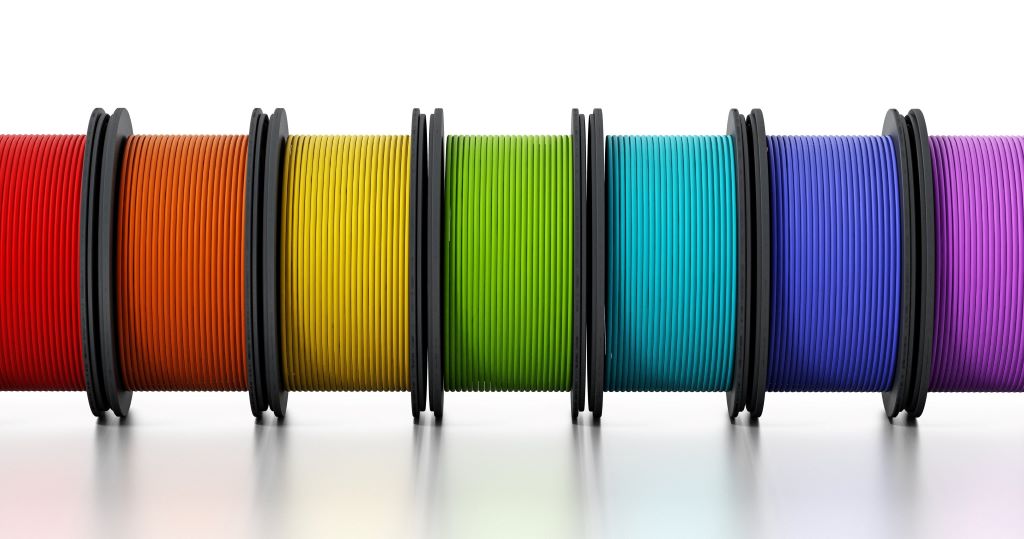
Before we explore specific types, let’s cover the basics. 3D printing filaments are thermoplastic materials extruded through a heated nozzle in fused deposition modeling (FDM) printers, the most common type for home and professional use. These spools of wire-like plastic come in standard diameters like 1.75mm or 2.85mm and vary in composition, affecting everything from print quality to durability.
Filaments influence factors such as layer adhesion, surface finish, and post-processing ease. Key properties include melting point, tensile strength, flexibility, and resistance to heat, chemicals, or UV light. Choosing the right one depends on your project’s needs—be it a flexible phone case or a rigid mechanical part. Now, let’s break down the most popular filament varieties, including their strengths, weaknesses, and ideal uses.
PLA: The Beginner-Friendly Staple
Polylactic Acid (PLA) is often the first filament newcomers encounter, and for good reason—it’s derived from renewable resources like corn starch or sugarcane, making it biodegradable and eco-friendly. This filament extrudes at lower temperatures (around 180-220°C) with minimal warping, requiring no heated bed for most prints.
Pros: Excellent printability with sharp details and vibrant colors; low odor; affordable (typically $20-30 per kg). It’s great for prototypes, toys, and decorative items.
Cons: Brittle under stress; low heat resistance (softens above 60°C); not ideal for outdoor use due to UV degradation.
Applications: Educational models, cosplay props, and household gadgets. For best results, use a print speed of 50-60mm/s and ensure good bed adhesion with glue stick or blue tape.
PLA blends, like PLA+, incorporate additives for enhanced toughness, bridging the gap to more advanced materials without sacrificing ease of use.
ABS: The Durable Workhorse
Acrylonitrile Butadiene Styrene (ABS) has been a go-to for industrial applications since the early days of 3D printing. Known for its toughness and impact resistance, ABS is the same material used in LEGO bricks and car bumpers. It requires higher extrusion temperatures (220-250°C) and a heated enclosure to prevent warping from thermal contraction.
Pros: High strength and flexibility; excellent for post-processing like sanding or acetone vapor smoothing; heat-resistant up to 100°C.
Cons: Strong fumes during printing (use in ventilated areas); prone to warping without proper setup; not biodegradable.
Applications: Functional parts like phone cases, automotive components, and tools. Tip: Maintain a bed temperature of 90-110°C and use ABS slurry for adhesion.
While ABS demands more from your printer setup, its mechanical properties make it invaluable for prototypes that need to withstand real-world abuse.
PETG: The Versatile All-Rounder
Polyethylene Terephthalate Glycol (PETG) strikes a balance between PLA’s ease and ABS’s durability. It’s a glycol-modified version of the plastic in water bottles, offering transparency and food-safe options in some formulations.
Pros: Strong layer bonding; resistant to moisture and chemicals; flexible yet rigid; prints at 220-250°C with low warping.
Cons: Stringing can occur if settings aren’t dialed in; slightly higher cost ($25-40 per kg); requires slower speeds for clarity.
Applications: Bottles, enclosures, and medical devices. For optimal results, dry the filament before use, as it’s hygroscopic, and experiment with retraction settings to minimize oozing.
PETG’s chemical resistance makes it suitable for outdoor projects or items exposed to solvents, filling a niche where PLA falls short.
TPU: The Flexible Filament for Soft Prints
Thermoplastic Polyurethane (TPU) introduces elasticity to 3D printing, allowing for rubber-like parts that bend and stretch. With Shore hardness ratings (e.g., 85A for soft, 95A for firmer), TPU extrudes at 210-230°C but needs direct-drive extruders for reliable feeding.
Pros: High flexibility and abrasion resistance; shock-absorbing; durable against tears.
Cons: Tricky to print due to stringing and slow speeds (20-30mm/s); not ideal for fine details; can be pricey ($30-50 per kg).
Applications: Gaskets, phone grips, wearables, and shoe soles. Pro tip: Use a lubricant like PTFE spray on the filament path to prevent jams.
For projects requiring movement or comfort, TPU opens up possibilities in fashion, prosthetics, and custom seals.

Nylon: The Tough, Industrial-Grade Option
Nylon (polyamide) filaments excel in strength and flexibility, often used in engineering for their low friction and wear resistance. They print at 240-260°C but are highly hygroscopic, necessitating drying before use.
Pros: Exceptional impact resistance; self-lubricating; lightweight yet strong.
Cons: Absorbs moisture quickly, leading to bubbles; requires enclosed printers; higher cost ($40-60 per kg).
Applications: Gears, bearings, and textiles. Enhance adhesion with PVA glue and store in airtight containers with desiccants.
Nylon variants like Nylon 6 or carbon-fiber-filled versions boost performance for demanding tasks, such as drone parts or functional prototypes.
ASA: The Weather-Resistant Alternative to ABS
Acrylonitrile Styrene Acrylate (ASA) is ABS’s UV-stable cousin, designed for outdoor longevity without yellowing or brittleness.
Pros: Superior weather resistance; similar strength to ABS; smooth finish after printing at 240-260°C.
Cons: Fumes like ABS; warping issues; moderately expensive ($30-45 per kg).
Applications: Garden tools, signage, and automotive exteriors. Use an enclosure and heated bed (100°C) for best outcomes.
ASA is a smart choice for sun-exposed prints, extending the life of your creations in harsh environments.
Polycarbonate (PC): For High-Performance Needs
Polycarbonate offers unmatched heat resistance (up to 140°C) and optical clarity, making it ideal for demanding applications.
Pros: Bulletproof toughness; transparent options; flame-retardant in some blends.
Cons: Extremely hygroscopic; high print temperatures (260-310°C); requires specialized printers; costly ($50-70 per kg).
Applications: Lenses, protective gear, and aerospace components. Dry thoroughly and use an active enclosure to manage shrinkage.
PC is reserved for pros tackling high-stress or high-heat projects, where failure isn’t an option.
Specialty Filaments: Wood, Metal, and More
Beyond basics, specialty filaments add flair and functionality. Wood-infused PLA mimics timber textures for artistic pieces, while metal-filled options (like copper or stainless steel) allow polishing for a metallic sheen. Conductive filaments enable electronics integration, and glow-in-the-dark variants add fun to night-time prints.
These often blend with PLA or ABS bases, inheriting their print settings but requiring nozzle upgrades (e.g., hardened steel for abrasives). Pros include unique aesthetics; cons involve higher wear on hardware.
Comparing Filament Types: A Quick Overview
To help you decide, here’s a comparison table of key properties:
| Filament | Extrusion Temp (°C) | Strength | Flexibility | Heat Resistance | Cost/kg | Best For |
| PLA | 180-220 | Medium | Low | Low | $20-30 | Beginners, decor |
| ABS | 220-250 | High | Medium | Medium | $20-35 | Functional parts |
| PETG | 220-250 | High | Medium | Medium | $25-40 | Versatile uses |
| TPU | 210-230 | Medium | High | Low | $30-50 | Flexible items |
| Nylon | 240-260 | High | High | Medium | $40-60 | Engineering |
| ASA | 240-260 | High | Medium | Medium (UV+) | $30-45 | Outdoor |
| PC | 260-310 | Very High | Low | High | $50-70 | Industrial |
This snapshot highlights how each material suits different needs, from budget-friendly PLA to robust PC.
Factors to Consider When Choosing a Filament
Selecting the right 3D printer filament involves more than properties—think about your printer’s capabilities, like maximum temperature and enclosure. Project requirements (e.g., food safety, biocompatibility) and environmental impact also play roles. Always check compatibility with your nozzle size and experiment with slicer settings for optimal results.
Storage is crucial; use vacuum bags to prevent moisture absorption. For sustainability, opt for recycled or bio-based options. Safety-wise, ventilate for filaments emitting fumes and wear gloves for handling.
Advanced Tips for Filament Success
To elevate your prints, calibrate your printer regularly—test extrusion multipliers and flow rates. Software like Cura or PrusaSlicer offers filament-specific profiles. For multi-material prints, consider dual-extruder setups. Troubleshooting common issues: If prints warp, increase bed heat; for brittleness, try annealing in an oven.
Staying updated with trends, like emerging bio-composites or high-speed filaments, can future-proof your skills. Communities on Reddit’s r/3Dprinting or forums provide real-user insights.
In wrapping up, mastering 3D printing filaments unlocks endless creativity, from simple hobbies to complex innovations. Each type offers unique benefits, tailored to your vision. Ready to transform your ideas into reality? Start experimenting with a new filament today—share your favorite in the comments below, or subscribe to our newsletter for more 3D printing tips and tutorials. What’s your next print going to be?
Related Topics: