
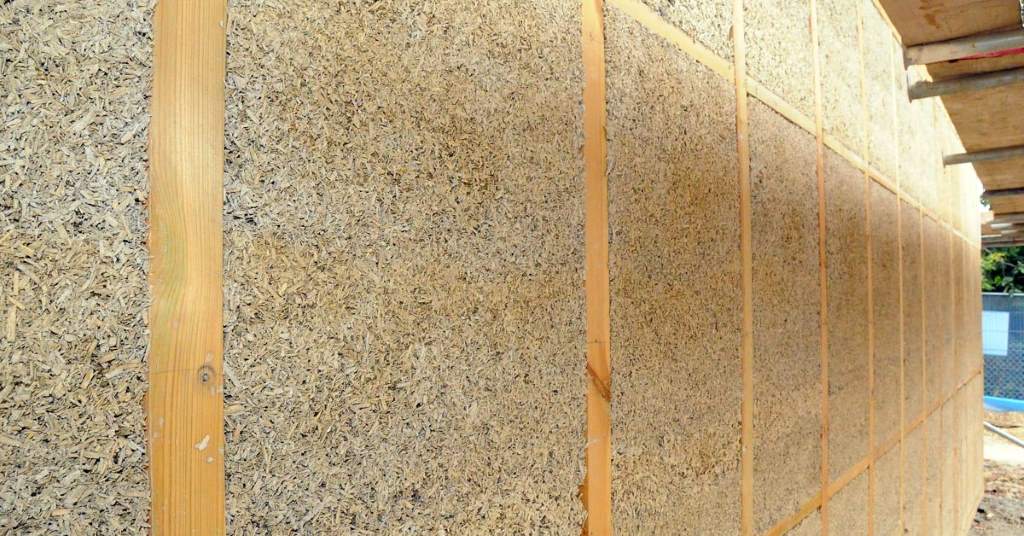
Imagine building a home addition that saves energy, feels cozy, and helps the planet. Hempcrete insulation makes this possible. This natural, eco-friendly material blends hemp hurd, lime binder, and water to create a breathable, durable insulation for walls, roofs, and floors. Homeowners love its unique mix of sustainability and performance. According to the U.S. Department of Energy, buildings with high-performance insulation can reduce energy bills by up to 20%. The European Union reports that bio-based materials like hempcrete cut carbon emissions in construction by 30–50%. Ready to explore why hempcrete is perfect for your home addition? Let’s dive in.
Thank you for reading this post, don't forget to subscribe!What Is Hempcrete?
Hempcrete is a bio-based insulation material made from industrial hemp, lime-based binders, and water. The hemp plant’s woody core, called hemp hurd, mixes with a lime binder to form a lightweight, solid material. It’s used in wall assemblies, building envelopes, and even external cladding. Hempcrete is carbon negative, meaning it absorbs more carbon dioxide than it emits during production. This makes it a star in sustainable construction.
Unlike traditional insulation, hempcrete is breathable. It regulates moisture levels, preventing water damage and mold. Its versatility suits various building methods, from wall framing to passive houses. Plus, it’s pest resistant and fire resistant, meeting standards like ASTM E84 and Australia’s BAL 29 rating.
Why Choose Hempcrete for Your Home Addition?
Adding space to your home is exciting but challenging. Insulation impacts comfort, energy costs, and environmental footprint. Hempcrete stands out for its unique benefits. Here’s why it’s a smart choice:
- Energy Efficiency: Hempcrete’s thermal properties reduce heat transfer, keeping homes warm in winter and cool in summer. This cuts energy bills significantly.
- Sustainability: Made from renewable resources, hempcrete supports a sustainable future. Its carbon sequestration ability helps fight climate change.
- Health Benefits: Hempcrete avoids Volatile Organic Compounds, ensuring cleaner indoor air. It’s a healthy choice for families.
- Durability: Hempcrete’s resistance to pests, fire, and moisture ensures long-term use without costly repairs.
Let’s explore these benefits in detail to see how hempcrete transforms home additions.
Energy Efficiency and Comfort
Hempcrete shines in energy performance. Its thermal insulation and thermal mass stabilize indoor temperatures. This reduces reliance on HVAC systems, lowering energy bills. For example, a study by the US Hemp Building Association found hempcrete homes use 15–20% less energy than those with fiberglass insulation.
Hempcrete’s water vapor permeability allows it to regulate moisture. This prevents stuffy air and maintains comfort. Its acoustic insulation also dampens noise, making your home addition a quiet retreat. Whether you’re adding a bedroom or a sunroom, hempcrete keeps spaces cozy and efficient.
How Hempcrete Saves Energy
- Thermal Resistance: Blocks heat loss, reducing heating and cooling needs.
- Phase-Shift Regulator: Slows temperature changes, maintaining steady comfort.
- Breathable Material: Manages moisture, preventing energy-wasting humidity issues.
Environmental Sustainability
Hempcrete is a champion of green building projects. Industrial hemp grows fast, absorbing carbon dioxide as it matures. The US Department of Agriculture recognizes hemp as a USDA Bio-based material, supporting circular renovation. Hempcrete’s production emits less embodied energy than concrete or fiberglass, making it a low-impact choice.
Hempcrete’s carbon-negative nature is a game-changer. It locks away carbon for the building’s lifecycle. For instance, a hempcrete project in Asheville, North Carolina, showcased by BAST Architects & Engineers, reduced the home’s carbon footprint by 40%. Choosing hempcrete aligns your home addition with environmental sustainability goals.
Sustainable Features of Hempcrete
- Renewable Resource: Hemp grows in months, unlike timber or mined materials.
- Carbon Sequestration: Stores carbon, reducing greenhouse gas emissions.
- Biodegradable Material: Breaks down naturally at the end of its lifecycle.
Health and Indoor Air Quality
Your home addition should be a healthy space. Hempcrete excels here. Unlike synthetic insulation, it contains no Volatile Organic Compounds, which can cause respiratory issues. Its natural composition promotes cleaner air, ideal for families with allergies or sensitivities.
Hempcrete’s moisture regulation prevents mold and mildew. This is critical in humid climates where water damage is a risk. The lime coating in hempcrete also resists pests, reducing the need for chemical treatments. A hempcrete home addition offers a safe, breathable environment.
Health Benefits in Action
- No Harmful Chemicals: Free from toxins, ensuring safer air quality.
- Moisture Control: Keeps walls dry, preventing mold growth.
- Pest Resistance: Naturally deters insects, reducing pesticide use.
Fire Resistance and Safety
Safety matters in any home addition. Hempcrete’s fire resistance is a standout feature. It meets ASTM E84 standards and achieves a BAL 29 rating, making it suitable for fire-prone areas. The lime binder creates a non-combustible matrix, protecting your home from fire risks.
For example, a Hemp & Prosper project in the European Union used hemp blocks for external cladding, passing strict fire safety tests. This makes hempcrete ideal for internal walls and wall assemblies, ensuring peace of mind.
Durability for Long-Term Use
Hempcrete is built to last. Its resistance to water damage, pests, and fire ensures your home addition stays strong for decades. The material’s flexibility suits various wall applications, from wall framing to building envelopes. Unlike traditional insulation, hempcrete doesn’t degrade over time, reducing maintenance costs.
A case study by Paul Van Houtte, a stability engineer, showed a hempcrete home in La Maison de la Turque withstanding harsh weather for over 15 years. Its durability makes it a reliable choice for sustainable building organizations and homeowners alike.
Versatility in Building Methods
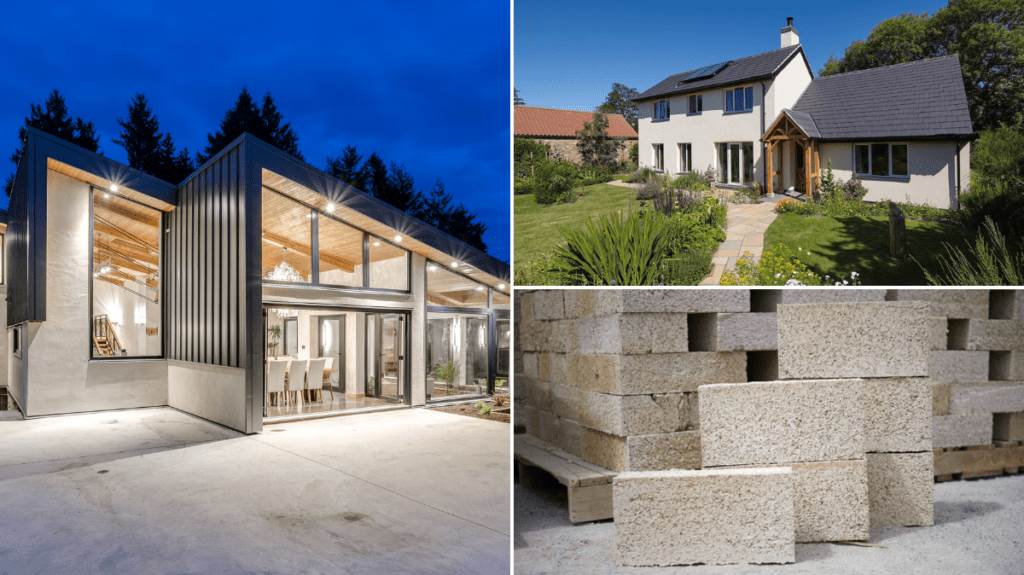
Hempcrete fits many construction styles. Whether you’re building a passive house or a green building project, it adapts to your needs. Use it for wall assemblies, insulation material, or even hemp blocks for faster construction. Its pressure fit system simplifies installation, saving time on your home addition.
Hempcrete also pairs well with Australian standard timber or other sustainable materials. For instance, Bruno Deraedt’s designs at 2050 Materials used hempcrete for both insulation and aesthetic finishes, proving its versatility.
Building with Hempcrete
- Mixing: Combine hemp hurd, lime binder, and water on-site.
- Application: Pour into molds or apply as a spray for walls.
- Curing: Allow 4–6 weeks for the lime coating to set fully.
- Finishing: Add breathable paints or finishes for aesthetics.
Cost Savings Over Time
Hempcrete reduces energy bills through superior thermal insulation. Its durability means fewer repairs, saving money long-term. The material’s low embodied energy also cuts production costs compared to traditional building materials. While upfront costs vary, the long-term savings make hempcrete a smart investment.
Mark Crawford, an energy efficiency advisor, notes that hempcrete homes often qualify for energy-saving incentives. Check with local programs like Energy Saver or Water Education Colorado for potential benefits.
Case Studies: Hempcrete in Action
Real-world examples show hempcrete’s impact. In Asheville, North Carolina, a family used hempcrete for a home addition, cutting energy use by 18%. BAST Architects & Engineers designed the project, using hemp blocks for quick assembly. The result? A cozy, sustainable space with low energy bills.
In the European Union, La Maison de la Turque used hempcrete for internal walls and external cladding. The project, led by Paul Van Houtte, achieved a carbon-negative footprint and passed fire resistance tests. These stories highlight hempcrete’s practical value.
How to Start Your Hempcrete Project
Ready to use hempcrete for your home addition? Follow these steps:
- Research Suppliers: Find trusted sources like KOBE’s Hemp Fibre or Hemp & Prosper.
- Consult Experts: Work with a stability engineer or energy efficiency advisor.
- Plan Your Design: Ensure your wall framing and building envelope suit hempcrete.
- Check Regulations: Verify compliance with local codes, like ASTM E84 or BAL 29.
- Hire Professionals: Use experienced contractors for mixing and application.
Connect with the US Hemp Building Association for resources and guidance. Their buy direct platform simplifies sourcing materials.
Explore More:
How to Apply Danish Pastel Room Decor Smartly
Can a Sagging Storm Door Lead to More Serious Home Issues?
Conclusion
Hempcrete insulation transforms home additions. It saves energy, boosts sustainability, and creates healthy, durable spaces. Its thermal properties, fire resistance, and moisture regulation make it a top choice. From reducing carbon footprints to cutting energy bills, hempcrete delivers real value. Start your hempcrete project today to build a greener, more comfortable home. Visit sustainable building organizations or consult experts to make your vision reality.
FAQs
What makes hempcrete sustainable?
Hempcrete uses renewable hemp and lime, sequesters carbon, and is biodegradable. It reduces embodied energy and supports green building projects.
Is hempcrete fire resistant?
Yes, hempcrete meets ASTM E84 and BAL 29 standards. Its lime binder ensures strong fire resistance, ideal for safe home additions.
How does hempcrete improve energy efficiency?
Hempcrete’s thermal insulation and thermal mass reduce heat transfer, cutting energy bills by 15–20%, as shown by the US Hemp Building Association.
Can hempcrete be used in humid climates?
Absolutely. Hempcrete’s water vapor permeability regulates moisture, preventing water damage and mold, making it ideal for humid areas.
How long does hempcrete last?
Hempcrete is durable for decades, resisting pests, fire, and moisture. Projects like La Maison de la Turque show long-term performance.
References
- U.S. Department of Energy: https://www.energy.gov/energysaver/insulation
- European Union, Bio-based Materials: https://ec.europa.eu/growth/sectors/raw-materials/bio-based-products_en
- US Hemp Building Association: https://www.ushempbuilding.org/
- ASTM E84 Standards: https://www.astm.org/e0084-21.html
- Energy Saver Program: https://www.energy.gov/energysaver/energy-saver