
When it comes to fishing, success often hinges on one crucial decision: choosing the right hook. No matter how enticing your bait is or how skilled you are with your cast, the wrong hook will cost you the catch. The art and science behind Hooked Right: Choosing the Perfect Hook for Every Species goes far beyond trial and error. It involves understanding fish behavior, hook styles, and matching gear with intent.
Thank you for reading this post, don't forget to subscribe!Why Hook Choice Matters More Than You Think
Every fish species has unique anatomical features. For example, the small, bony mouth of a bluegill requires a thin, sharp hook. On the other hand, a largemouth bass can clamp down with enough pressure to bend poor-quality gear. Using the wrong hook leads to missed strikes, damaged gear, or worse—injured fish that escape and don’t recover.
A study published by the American Fisheries Society found that proper hook selection increases catch efficiency by over 30%. It’s not just about size—it’s about the right size, shape, and material.
Understanding Hook Anatomy and Its Impact
A fishing hook consists of five main parts: the eye, shank, bend, point, and barb. Each element plays a vital role. For instance, wide-gap hooks are ideal for soft plastics because they provide room for better hook sets. Short-shank hooks excel with live bait, keeping presentations natural and less intrusive.
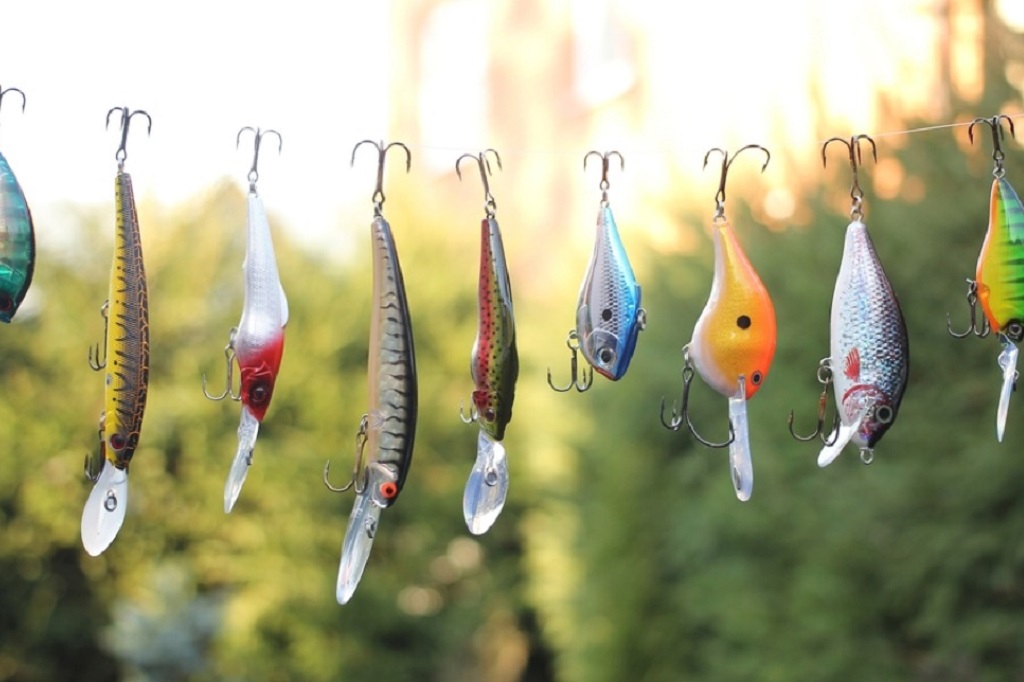
Treble hooks, which feature three points, are popular for crankbaits and lures. They offer higher hooking chances but can be overkill for smaller species like trout or crappie. Conversely, circle hooks reduce gut hooking, making them perfect for catch-and-release fishing. These hooks are mandatory in some saltwater tournaments for conservation reasons (NOAA).
Matching the Hook to the Fish: Species-Specific Tips
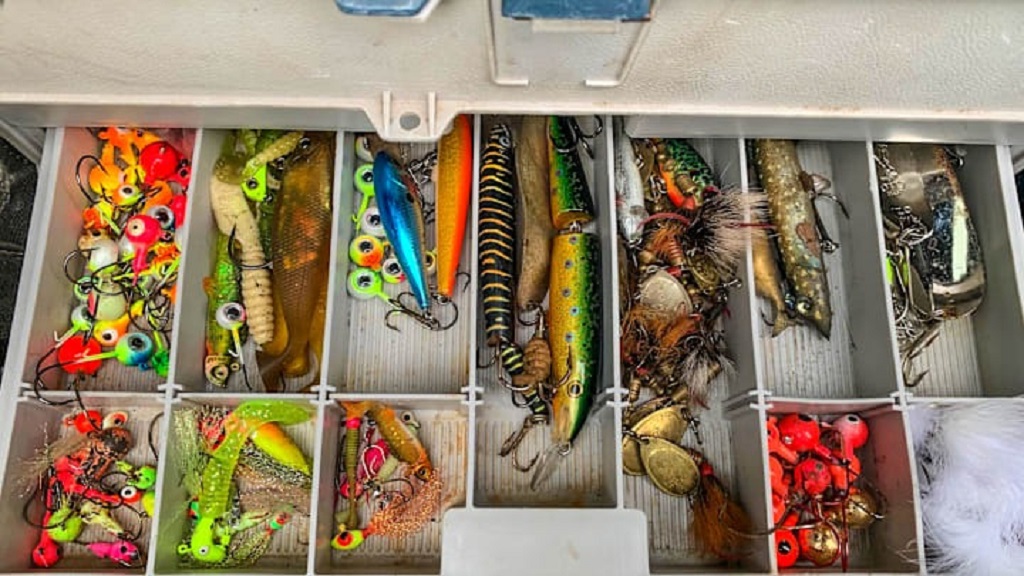
When focusing on Hooked Right: Choosing the Perfect Hook for Every Species, it’s essential to match the hook not only to the fish but also to the fishing conditions.
-
Bass (Largemouth and Smallmouth)
Bass are aggressive and strike with force. A 3/0 to 5/0 wide-gap hook works well with soft plastics. Offset shank worm hooks are a favorite for Texas rig setups. Experts suggest high-carbon steel for strength and durability, especially when fishing heavy cover.
-
Trout
Trout are wary and delicate biters. Single barbless hooks between size 10 to 14 offer the best hook sets without harming the fish. The barbless design ensures easy release and complies with regulations in many fly-fishing streams.
-
Catfish
These bottom-feeders need durable gear. Use circle hooks ranging from 5/0 to 10/0 depending on size. Their slow, deliberate bites pair well with hooks that allow for passive hook sets. According to anglers on Catfish Edge, octopus hooks are effective for channel catfish using stink bait.
-
Panfish (Bluegill, Crappie)
For small-mouthed fish, a size 6 to 10 Aberdeen hook is optimal. The thin wire penetrates easily and doesn’t tear the mouth. Gold hooks often outperform silver as they reflect more light, triggering curiosity.
-
Pike and Muskie
Aggressive predators need strong, sharp treble hooks. Sizes range from 2/0 to 5/0. These fish often strike lures out of aggression, so reliable penetration is key. Use heavy-duty materials like forged stainless steel to prevent bending.
-
Saltwater Species (Redfish, Snapper, Tarpon)
Saltwater environments demand corrosion-resistant hooks. For tarpon, a 7/0 circle hook made of stainless steel is standard. Snapper and redfish favor inline circle hooks, especially during spawn season when regulations get stricter. In 2022, Florida Fish and Wildlife Conservation Commission made non-stainless circle hooks mandatory in reef fishing to reduce fish mortality.
-
Carp
Carp fishing is more finesse-based. Use size 4 to 8 hooks with a hair rig for best results. These hooks sit outside the bait, increasing hookup chances. Anglers swear by Teflon-coated hooks for increased stealth.
Materials and Finishes: The Hidden Game-Changers
Most anglers overlook this detail. Hook material affects presentation and durability. Stainless steel resists rust but can stay in a fish if lost. High-carbon steel offers more penetration but needs maintenance.
Finish matters too. Black nickel reduces shine in clear water. Gold finishes, as mentioned earlier, attract panfish. Red hooks are thought to mimic blood, sparking predatory instincts, though opinions vary. Some claim it boosts strikes; others see no difference.
Common Mistakes and How to Avoid Them
Even seasoned anglers make these errors:
- Overhooking: Using a hook too large scares off cautious fish.
- Wrong gap size: Narrow gaps miss thick-mouthed fish.
- Poor maintenance: Rusty hooks reduce penetration.
- Ignoring hook sharpness: A dull point turns strikes into misses.
Test your hooks before trips. A simple thumbnail scratch test reveals sharpness. If it slides off, it needs sharpening or replacing.
Insights from Pro Anglers
According to pro bass angler Kevin VanDam, the hook is “the smallest piece of gear but the biggest reason for failure.” He recommends swapping out stock hooks on most store-bought lures. Pro angler Mike Iaconelli agrees, saying upgraded treble hooks increased his tournament success rate by 18%.
These insights show that expert anglers focus heavily on hook quality, not just bait choice.
Read More Also: Maintaining Your Office Vacuum Cleaner
FAQs: Everything You Need to Know
How do I know which hook size to use?
Match the hook size to your target fish’s mouth size and bait presentation. Larger species need larger hooks.
Are barbless hooks better?
Yes, for catch-and-release fishing. They minimize harm and are often legally required in conservation areas.
Do treble hooks catch more fish?
They can on lures, but they’re more damaging and less suitable for live bait.
Should I always use circle hooks?
Only when conditions call for them. They’re great for passive fishing and reducing deep hooking.
How often should I replace hooks?
Replace rusted, dull, or bent hooks immediately. Check them after every trip.
Does hook color matter?
Sometimes. Gold and red hooks can attract more fish in certain waters. Experiment and observe.
Are cheap hooks worth buying?
No. Poor-quality hooks bend or break under pressure, costing you fish. Invest in reputable brands.
Read More Also: How Global Events Shape Stock Markets
Final Thought
In the world of angling, details matter. Hooked Right: Choosing the Perfect Hook for Every Species isn’t just a concept—it’s a critical mindset. The right hook transforms your entire fishing experience. It improves catch rates, reduces fish mortality, and increases your confidence on the water.
Avoid generic setups and take time to study what works best for your target species. Fishing isn’t luck—it’s precision. Arm yourself with knowledge, test different hooks, and trust the data. You’ll not only hook more fish—you’ll hook them right.