
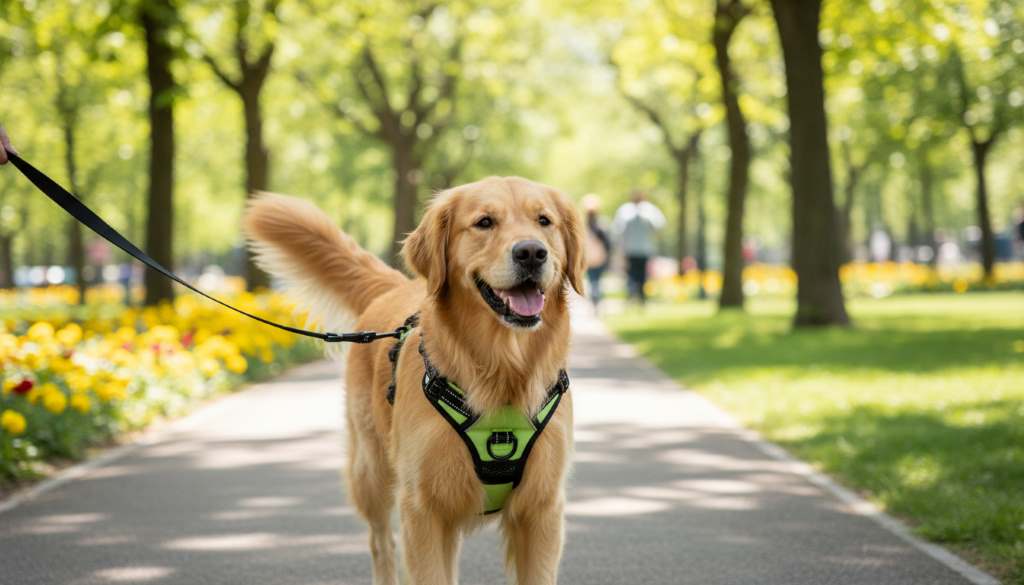
Walking your dog should bring joy to both of you. Yet many owners feel frustrated when their pup drags them down the street. Leash pulling ranks as one of the most common behavior issues. In fact, studies show that 83% of dog owners view pulling as a problem with their pets. Additionally, sudden pulls cause injuries to owners, often leading to falls in over 50% of reported cases. Traditional collars can harm a dog’s neck and throat too.
Thank you for reading this post, don't forget to subscribe!Fortunately, solutions exist. A well-designed no-pull harness changes everything. Check out how to stop a dog from pulling with the PHOEPET No-Pull Harness. This tool combines comfort, control, and safety. In this guide, you will learn exactly how to use it effectively. You will also discover training tips that make walks enjoyable again.
Why Dogs Pull on the Leash
Dogs pull for simple reasons. Excitement drives most of it. They spot a squirrel or smell something interesting and rush forward. Instinct plays a role too. Many breeds trace back to working dogs that pulled sleds or carts.
Moreover, dogs learn quickly. When pulling gets them where they want faster, they repeat it. Lack of training reinforces the habit. Puppies often start small tugs that grow stronger over time.
However, pulling creates risks. It strains the dog’s neck if you use a collar. Owners face shoulder or wrist injuries from jerks. Research highlights that leash-related falls affect thousands yearly. Understanding these causes helps you address the root issue.
The Dangers of Traditional Collars
Flat collars work fine for tags. They fail when dogs pull hard. Pressure builds on the trachea and larynx. Studies confirm this raises risks of permanent damage, especially in small or brachycephalic breeds.
Furthermore, collars encourage opposition reflex. Dogs push against pressure naturally. A tight collar makes them pull harder. This cycle frustrates everyone.
In contrast, harnesses distribute force across the chest and shoulders. They reduce injury risks significantly. Veterinary experts recommend harnesses for pullers. This shift protects your dog’s health long-term.
What Makes a No-Pull Harness Different
No-pull harnesses feature smart design. Most include a front leash attachment on the chest. When the dog pulls, the clip turns their body toward you. This interrupts forward momentum gently.
Additionally, many offer back clips for relaxed walks. You switch based on behavior. Padded straps add comfort. Reflective strips boost visibility at night.
Research supports front-clip designs. They give better control without pain. Dogs learn faster with these tools. Combined with rewards, they yield lasting results.
Meet the PHOEPET No-Pull Harness: Features That Stand Out
The PHOEPET harness earns praise for practical details. Owners love its thoughtful construction. It balances ease of use with effective control.
First, it boasts dual metal leash rings. Clip to the front for training. Use the back for casual strolls. This flexibility suits different situations.
Next, adjustable straps ensure a custom fit. Four points let you tweak neck and chest areas. Your dog stays secure without pinching.
The top handle provides instant control. Grab it in traffic or crowded spots. It helps lift over obstacles too.
Reflective stitching shines in low light. Safety increases during evening walks.
Finally, soft padding and breathable mesh keep dogs cool. Durable nylon resists wear. These elements make it comfortable for daily use.
How the PHOEPET Harness Stops Pulling in Action
The front clip works simply yet effectively. As your dog lunges, the harness redirects sideways. They face you instead of charging ahead.
This gentle turn discourages pulling. Dogs realize straining gets them nowhere. Over time, they walk calmly beside you.
Meanwhile, the padded design avoids discomfort. No harsh corrections occur. Your dog associates walks with positive experiences.
Many owners report quick improvements. Strong pullers calm down in days. Consistency brings the best outcomes.
Step-by-Step: Fitting the PHOEPET Harness Correctly
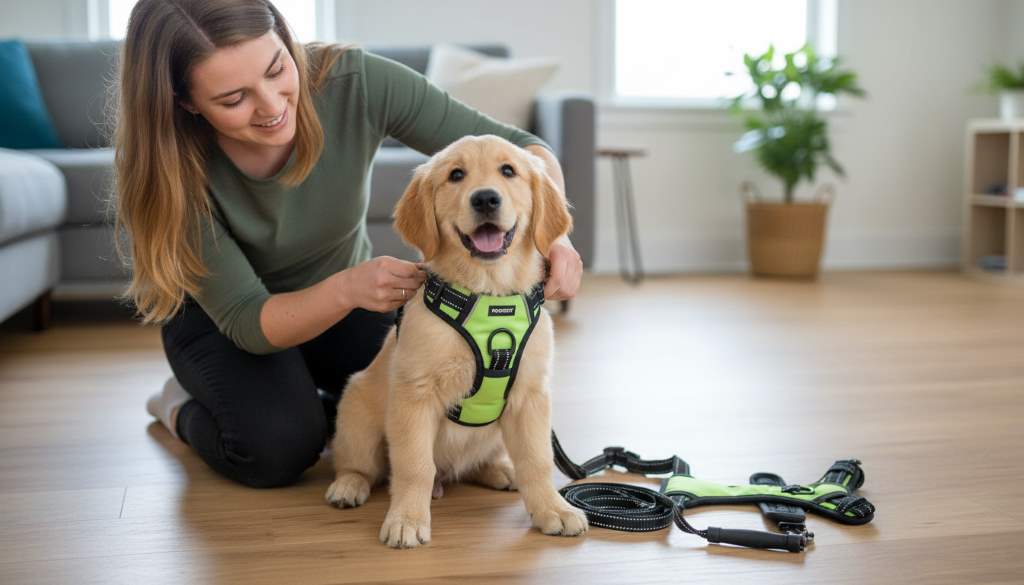
Proper fit matters most. Follow these steps for success.
- Loosen all straps fully. Open the buckles.
- Place the harness over your dog’s head if needed. Many models feature three buckles for step-in ease.
- Adjust neck straps first. Fit two fingers snugly underneath.
- Secure chest straps next. Ensure even pressure without tightness.
- Check movement. Your dog should walk, sit, and lie down freely.
- Test the handle and clips. Everything stays secure.
Moreover, recheck fit as your dog grows or changes weight. A good harness lasts years with care.
Related:
Are Flea Collars Safe for Small Dogs?
The Ultimate Guide to Choosing a Dog Bed for Cold Weather
Training Techniques to Pair With Your Harness
A harness manages pulling. Training stops it permanently. Use positive methods for best results.
Start indoors. Practice loose leash walking in low-distraction areas. Reward attention with treats.
Then, move outside gradually. Stop when the leash tightens. Wait for slack, then praise and continue.
Additionally, change directions often. This keeps your dog focused on you.
Use high-value rewards. Small treats or toys motivate strongly.
Studies prove positive reinforcement works best. Dogs trained this way show less stress and better obedience. Avoid punishment. It damages trust.
Positive Reinforcement: The Science-Backed Approach
Experts endorse reward-based training. Research from veterinary behaviorists shows it outperforms aversive methods.
For example, one study compared groups. Reward-trained dogs learned faster and stayed happier. Punishment increased fear and aggression risks.
Another trial found positive methods reduced stress hormones. Dogs bounced back quicker from setbacks.
Therefore, praise loose leash walking lavishly. Your dog will choose calm behavior willingly.
Common Mistakes New Users Make
Owners sometimes expect instant miracles. Harnesses help, but training takes time. Patience pays off.
Another error involves poor fit. Loose harnesses slip. Tight ones chafe. Always double-check.
Some clip only to the back ring. This encourages pulling like a sled harness. Use the front clip during training.
Finally, inconsistency confuses dogs. Everyone in the household follows the same rules.
Avoid these pitfalls. You will see steady progress.
Sizing Guide for the PHOEPET Harness
Choose size by measuring carefully. Use a soft tape.
Measure neck at the base. Note chest behind front legs, the widest part.
Compare to brand charts. Medium fits many average dogs, like Labs or Bulldogs.
If between sizes, go larger. Adjustability covers the gap.
Puppies grow fast. Plan to upgrade as needed.
Proper sizing prevents escapes and discomfort.
Real Stories from PHOEPET Users
Sarah rescued a high-energy shepherd mix. Walks turned into battles. After switching to PHOEPET, she regained control. Within weeks, her dog heeled beautifully.
Mike has two strong pullers. The handle helped in emergencies. Reflective strips saved a close call at dusk.
Thousands of reviews echo these experiences. Owners praise durability and ease. Dogs seem happier too.
These stories show real-world success. Your turn comes next.
Advanced Tips for Tough Pullers
Some dogs need extra steps. Add desensitization for triggers like other dogs or bikes.
Practice “focus” commands. Reward eye contact outdoors.
Consider short sessions often. Five minutes multiple times beats one long struggle.
Professional trainers help stubborn cases. They tailor plans to your dog.
Persistence wins. Most improve dramatically.
Maintaining Your Harness for Longevity
Clean the harness regularly. Wipe mesh with mild soap. Air dry fully.
Store away from direct sun. Check straps for wear periodically.
Minor frays happen with heavy use. Replace if damage appears.
Good care extends life. Your investment serves years.
When to Transition to Back Clip Only
Once pulling stops, switch to back attachment. This allows more freedom on relaxed walks.
Monitor behavior. Return to front clip if needed.
Many dogs graduate fully. They walk politely on any setup.
Celebrate this milestone. It shows your hard work succeeded.
Conclusion
The PHOEPET No-Pull Harness offers a kind, effective solution. Its smart features redirect pulling gently. Combined with positive training, it transforms walks.
You now hold the tools for success. Measure your dog today. Start fitting and practicing. Soon, you both will enjoy peaceful strolls.
Take action now. Your dog deserves stress-free adventures. Begin this journey together.
Frequently Asked Questions
How quickly does the PHOEPET harness stop pulling?
Results vary by dog. Many owners notice less pulling immediately. Full training takes weeks of consistency. Pair with rewards for faster progress.
Is the front clip safe for my dog’s shoulders?
Yes. Pressure distributes across the chest. Studies show front-clip harnesses cause less strain than collars. Avoid tight fits.
Can small dogs use the PHOEPET harness?
Absolutely. Sizes start small. Adjustable straps fit tiny breeds securely. Padding prevents rubbing.
What if my dog hates wearing harnesses?
Introduce slowly. Pair with treats and play. Most adapt quickly to the soft design.
Do I still need to train with a no-pull harness?
Yes. Harnesses manage behavior. Training teaches polite walking. Positive methods create lasting change.
References
- PetMD: How Do No-Pull Dog Harnesses Work? https://www.petmd.com/dog/care/how-do-no-pull-dog-harnesses-work
- Frontiers in Veterinary Science: Dog Pulling on Leash Study https://www.frontiersin.org/journals/veterinary-science/articles/10.3389/fvets.2021.735680/full
- AVSAB Position Statement on Positive Reinforcement https://avsab.org/resources/position-statements/
- The Science Dog: Owner Survey on Lead Pulling https://thesciencedog.com/2023/01/17/what-dog-owners-think-about-lead-pulling