
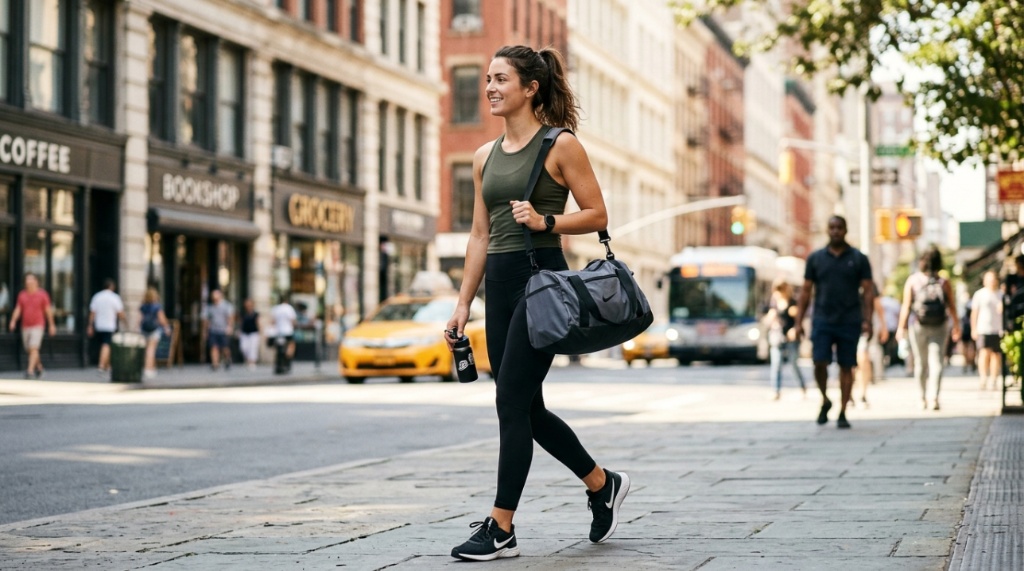
You know the struggle. You’re hauling a massive, heavy duffel bag that feels more like a suitcase than a gym companion. It’s bulky, it hurts your shoulder, and by the time you reach the locker room, you’re already exhausted. The solution isn’t just any bag—it’s finding the perfect lightweight duffel bags that shed unnecessary weight while keeping your gear organized. This guide will walk you through exactly what to look for, what to avoid, and how to pick a bag that makes your daily commute to the gym actually enjoyable.
Thank you for reading this post, don't forget to subscribe!What Makes a Gym Bag Truly Lightweight?
A truly lightweight gym bag weighs under 1.5 pounds (roughly 680 grams) when empty. The goal is to carry your gear, not the bag itself. Many standard duffels tip the scales at 2.5 to 3 pounds before you add a single water bottle.
Lightweight construction comes down to three things: the fabric, the hardware, and the design philosophy. Nylon ripstop and high-denier polyester are your best friends here. They offer excellent durability without the heft of canvas or leather. Also, look for bags with minimal metal zippers and webbing straps instead of thick padded handles. Every ounce saved is an ounce you don’t have to lug through the parking lot.
The “Paper Bag Test” for Weight
If you can pick up the empty bag with one finger and it feels like you’re holding nothing, you’re on the right track. Compare this to a standard cotton tote, and the difference is immediately obvious.
Why Does Weight Matter for a Daily Gym Bag?
Weight matters because you carry this bag every single day. A difference of just one pound multiplied by five days a week, 52 weeks a year, equals 260 extra pounds of dead weight you didn’t need to carry.
Think about your routine. You’re likely walking from your car, taking public transit, or even biking to the gym. A heavy bag throws off your posture, strains your shoulder, and makes the whole experience feel like a chore. A lightweight bag lets you move freely. It doesn’t pull on your jacket, slosh around when you run, or require you to constantly adjust the strap. It simply disappears on your back, so you can focus on the workout ahead rather than the weight on your shoulders.
Which Materials Offer the Best Weight-to-Durability Ratio?
The best materials for a lightweight gym bag are ripstop nylon, Cordura nylon, and high-tenacity polyester. These fabrics are engineered to be strong yet incredibly thin.
Here is a quick comparison of common materials:
| Material | Typical Weight (per sq. yd.) | Durability | Water Resistance | Best For |
|---|---|---|---|---|
| Ripstop Nylon | 3–5 oz | High | Excellent | Ultralight gym bags |
| Cordura Nylon | 6–8 oz | Very High | Excellent | Tough, lightweight bags |
| High-Tenacity Polyester | 4–6 oz | High | Good | Budget-friendly options |
| Canvas | 10–14 oz | Very High | Poor (needs coating) | Heavy, traditional duffels |
| Leather | 15+ oz | Extremely High | Poor | Fashion, not daily gym use |
Pro Tip: Avoid bags made entirely of ballistic nylon unless you are carrying sharp tools. It is overkill for gym clothes and shoes.
How Many Compartments Should a Lightweight Gym Bag Have?
The ideal number is between two and four compartments. Too many compartments add weight and zippers that can fail. Too few, and your wet towel touches your clean clothes.
A well-designed lightweight bag has one main compartment for clothes and towels, one ventilated shoe pocket, and one small zippered pocket for keys, phone, and wallet. That is it. Some bags also include a hidden security pocket for your ID and credit cards. If a bag has more than five external pockets, you are paying for complexity, not lightness.
The Ventilated Shoe Pocket: A Must-Have
A separate shoe compartment keeps your sneakers from dirtying everything else. Look for a mesh or perforated pocket so shoes can dry out after a sweaty workout. This small feature eliminates the need for a separate shoe bag, saving you space and weight.
Can a Lightweight Bag Be Durable Enough for Daily Use?
Yes, absolutely. Modern fabric engineering means a lightweight bag can outlast a heavier one if it is made with the right materials and construction techniques.
The key is to look for reinforced stitching at stress points, such as where the handles and strap attach to the body. Double-stitched seams and bartacks (those tight zigzag stitches) indicate high durability. A bag made from 210D or 400D ripstop nylon will handle daily abuse far better than a cheap canvas bag that weighs twice as much. Also, check the zippers. YKK zippers are the gold standard for longevity. If the bag uses plastic zippers, it will likely fail within a year of daily use.
What Size of Gym Duffel Is Best for Daily Carry?
For daily gym use, a bag with a volume of 25 to 40 liters is ideal. This is roughly equivalent to a small to medium duffel.
Here is a practical sizing guide:
- 20–25 liters: Perfect for a quick lunch workout. Fits a change of clothes, shoes, and a small towel. No room for extras.
- 30–35 liters: The sweet spot. Fits clothes, shoes, a full-size towel, toiletries, and a water bottle.
- 40+ liters: Good if you commute to work and need to pack a laptop and lunch, but can feel bulky for just the gym.
Measure your current bag. If you frequently struggle to zip it shut, your bag is too small. If it looks like a duffel for a weekend trip, it is too large.
How Do You Choose a Bag That Won’t Stink After a Week?
Choose a bag made from moisture-wicking, antimicrobial, or easy-to-clean materials. The enemy of a fresh gym bag is trapped moisture and bacteria.
Look for these features to prevent odor:
- Mesh panels or ventilation strips: Allow air to circulate inside the main compartment.
- Water-resistant or waterproof lining: Easy to wipe down after a workout.
- Removable interior: Some bags have a removable plastic or coated nylon base that you can hose off.
- Antimicrobial treatment: Some nylon fabrics are treated to resist bacterial growth.
Even with the best materials, hang your bag open after each use. Never zip it shut while it contains sweaty clothes. That is how smells become permanent.
What Features Are Worth the Extra Weight?
Only two features are worth adding weight: a padded shoulder strap and a secure water bottle pocket. Everything else is negotiable.
A padded shoulder strap, even just a thin one, makes a huge difference when you are carrying your gear across town. A unpadded strap digs into your shoulder and causes fatigue. Similarly, a mesh side pocket for a water bottle prevents spills inside your bag and keeps your hydration accessible. These two items add perhaps three ounces, but they improve the daily experience dramatically.
A lightweight duffel bags should prioritize comfort and utility over flashy extras like built-in USB ports or shoe compartments made from heavy plastic. Keep it simple.
How Should You Test a Gym Bag Before Buying?
You cannot test a bag in a store? No problem. Here is a simple three-step test you can do at home with any bag you are considering.
- The Empty Weight Check: Hold the bag with one hand. It should feel airy, almost like a jacket. If it feels substantial, it is too heavy. Walk around the room for 30 seconds.
- The Pack-and-Carry Test: Fill it with your actual gym gear: clothes, shoes, towel, and a water bottle. Sling it over your shoulder. Walk up and down stairs or around the block. Does it bounce? Does the strap slip? Does it dig in?
- The Zipper Stress Test: Open and close every zipper ten times. They should glide smoothly without catching. A sticky zipper is a ticking time bomb.
If the bag fails any of these checks, send it back. You will use this bag daily; it needs to be perfect.
Are Crossbody Duffels or Backpack-Style Duffels Better for Commuting?
For daily use, a crossbody duffel is generally better than a backpack-style duffel because it offers faster access and is easier to swing off your shoulder.
That said, if you commute by bicycle or motorcycle, a backpack-style duffel (also called a convertible duffel) wins hands down. It distributes weight across both shoulders, keeping you balanced. For walking, public transit, or driving, a crossbody duffel is more convenient. You can grab your wallet or phone without taking the bag off. The choice depends entirely on your primary mode of transportation.
Why Is Strap Design Critical for Lightweight Bags?
Strap design determines whether a lightweight bag feels comfortable or causes pain. A bad strap ruins even the most perfectly sized bag.
Look for these strap qualities:
- Wide and padded: At least 1.5 inches wide. Padding should be foam, not quilted fabric.
- Non-slip backing: A rubber or silicone strip on the underside prevents the strap from sliding off your shoulder.
- Quick-adjust buckle: Lets you tighten or loosen the strap without fiddling with plastic hardware.
- D-ring anchor points: Allow you to clip on keys or a small pouch.
A well-designed strap makes a 30-ounce bag feel like 15 ounces. A bad strap makes a 20-ounce bag feel like lead.
What Are the Hidden Costs of a Cheap Lightweight Bag?
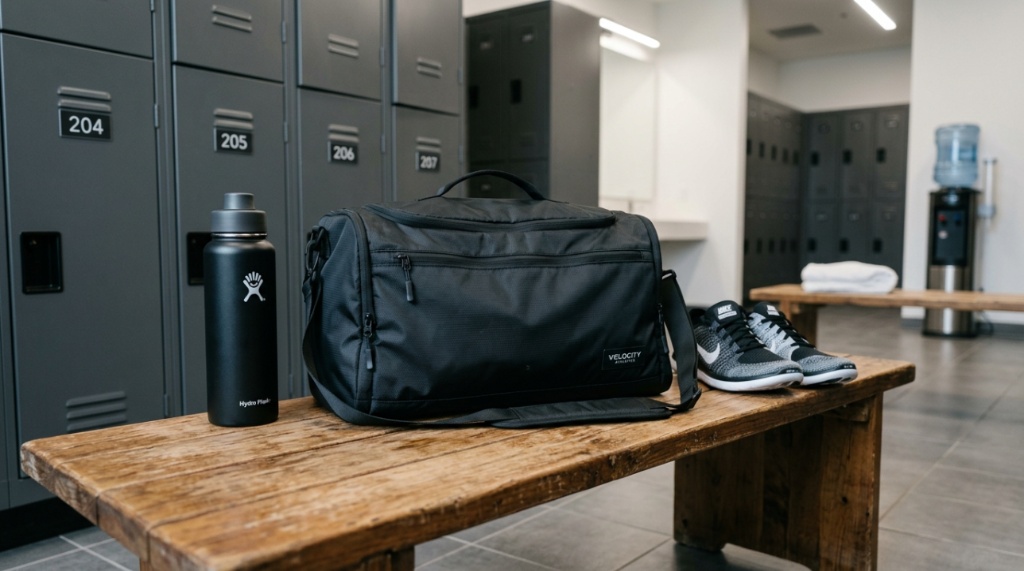
The hidden cost of a cheap lightweight bag is that you will buy it twice. A $30 bag that falls apart in six months is more expensive than a $70 bag that lasts three years.
Cheap bags often cut corners on zippers, webbing, and stitching. A broken zipper means a ruined gym bag. Thin webbing straps rip under the weight of heavy sneakers. Also, cheap plastics off-gas and create a chemical smell that embeds into your clothes. When evaluating price, calculate cost per year of use. A durable, lightweight duffel bags that costs $80 and lasts four years costs you $20 per year. A $40 bag lasting one year costs $40 per year. The more expensive bag is actually cheaper in the long run.
While choosing the right athletic gear keeps your daily routine efficient, managing your fashion investments requires a different strategy. If you switch between utility gear and high-end style, check out our guide on how to buy Luxury Handbags in California Without Making Costly Mistakes to protect your wardrobe investments.
Frequently Asked Questions
Can I use a lightweight duffel bag for travel as well as the gym?
Yes, many lightweight duffel bags are designed for dual use. Look for one in the 35-40 liter range with a zippered closure. It should fit under an airplane seat for personal item use.
How do I clean a lightweight gym bag?
Most lightweight bags can be wiped clean with a damp cloth and mild soap. For deep cleaning, use a gentle cycle in your washing machine with cold water, then air dry. Never put it in the dryer.
Is a drawstring bag lightweight enough for the gym?
Drawstring bags are extremely lightweight, but they lack organization and support. They work for a single change of clothes and a towel, but they offer no protection for valuables and can be uncomfortable with heavier loads.
What is the best waterproof material for a lightweight gym bag?
Ripstop nylon with a polyurethane coating or silicone coating offers the best balance of waterproofing and lightness. Look for a DWR (Durable Water Repellent) finish.
How do I prevent my gym bag from slipping off my shoulder?
Choose a bag with a non-slip rubber or silicone strip on the underside of the strap. A crossbody configuration also helps secure the bag against your body.
Can I carry a laptop in a lightweight gym duffel?
Yes, but only if the bag has a dedicated padded laptop sleeve. Standard lightweight bags offer no protection for electronics. If you need to carry a laptop, make sure the sleeve is reinforced.
What is the best weight for a gym duffel bag in ounces?
Aim for between 12 and 20 ounces (340 to 567 grams). Anything under 12 ounces is exceptional, while anything over 20 ounces begins to feel heavy for daily use.
Conclusion
Choosing a lightweight gym bag for daily use comes down to three non-negotiable priorities: weight under 1.5 pounds, durable ripstop nylon or polyester construction, and a smart layout with two to four compartments. Forget flashy extras. Focus on a comfortable, non-slip strap, a ventilated shoe pocket, and reinforced stitching. You use this bag every day, so invest in one that makes your routine easier, not heavier. Start your search by examining the materials, testing the weight, and prioritizing comfort over brand names. Apply what you have learned here, and you will find a lightweight duffel that disappears on your shoulder and keeps you organized for years to come.